Hydroponic Tomatoes: A Grower's Guide
- Home
- Hydroponic Plants
- Tomatoes
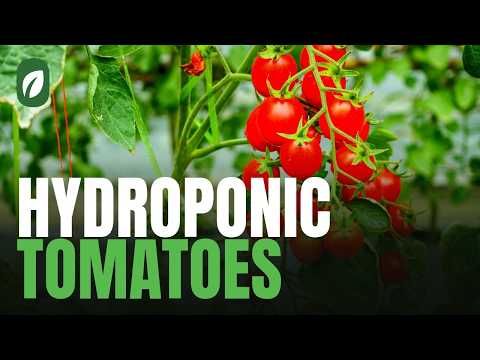
Even though a lot of people consider tomatoes to be vegetables, they are technically a fruit. Regardless of what you call them, they are an extremely versatile savoury food you can grow and enjoy all year round. Many people think that growing tomatoes is difficult even if you have a big garden with healthy soil, let alone through hydroponics. However, I am here to tell you that growing hydroponic tomatoes is not as difficult as it might seem. In this guide I'll cover everything you need to know to grow hydroponic tomatoes, from choosing a hydroponic system to harvesting fresh, delicious tomatoes that you've grown yourself at home. So, without further ado, let's get right into it!
How to Grow Hydroponic Tomatoes
Best Hydroponic System for Tomatoes
While tomatoes can be grown in virtually any type of hydroponic system, they do best in ebb and flow, NFT, aeroponic, and drip systems, including Dutch bucket systems, which are a type of drip system. You can also grow tomatoes in a DWC system with a bit of work. I've covered how these different systems work and how you can build DIY hydroponic systems at home in my other guides, which you can find here:
Choose Your Growing Medium
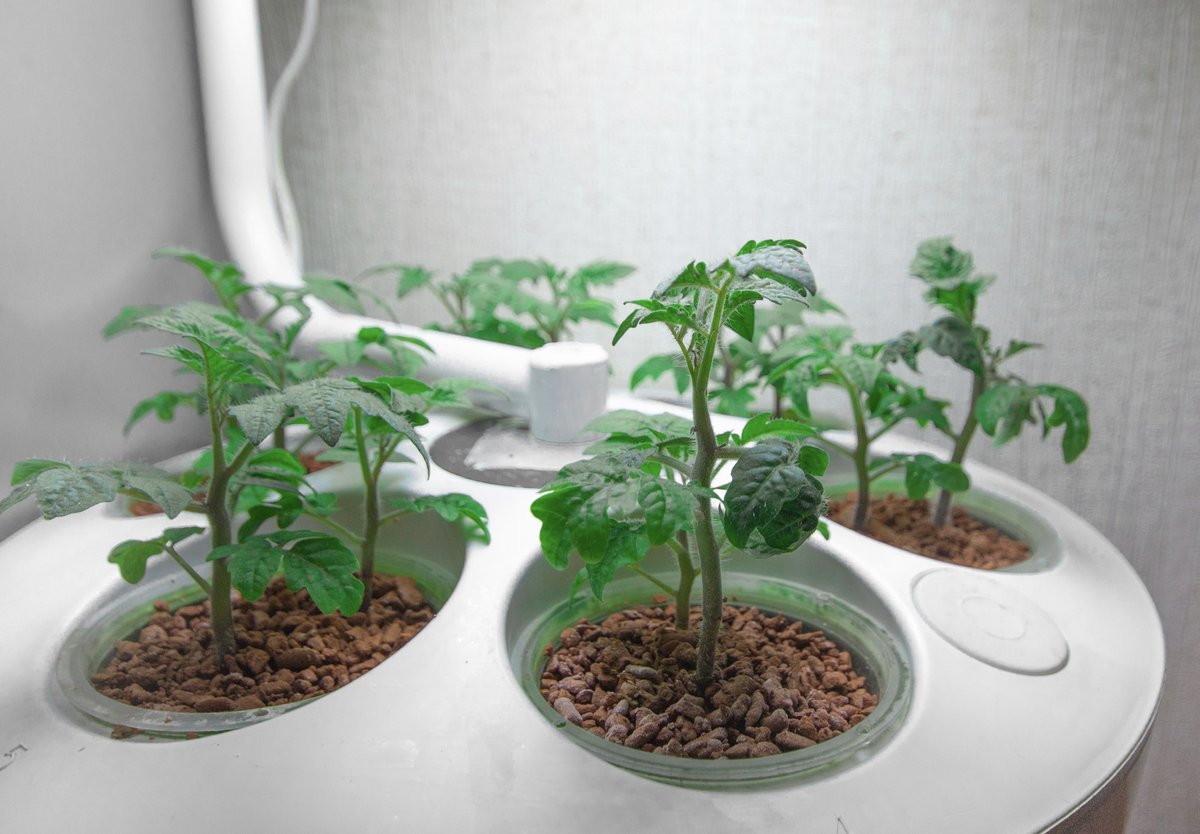
Your choice of growing medium will depend on the type of system you choose to go for; however, expanded clay pellets work pretty well with tomatoes. You can also use coconut coir, and you can mix it with perlite or vermiculite to increase moisture retention. If you'd like to learn more about growing media, I've got a full guide here.
Choose Your Nutrient Mix
There are specific nutrient mixes for tomatoes, and I would suggest going with that if you can find it. If you can't find a nutrient mix made specifically for tomatoes, you can choose a low-nitrogen mix. I would highly recommend going for an organic nutrient mix, as you will be eating the tomatoes, and you don't want your food growing with chemicals.
Choose Your Grow Lights
If you're growing indoors, you will need grow lights for your tomatoes. I would recommend going for LED grow lights because they are highly versatile and energy efficient. They are more expensive than other options, such as MH or HPS grow lights, but they don't lose their effectiveness over time and will save you money on electricity bills. Full-spectrum or RGB LED grow lights can also be used during all stages of plant growth, unlike MH or HPS grow lights.
Support for Plants
Tomato plants need support to grow in most cases, so you will likely need a trellis. Many hydroponic growing kits have an incorporated trellis or a frame you can tie the tomato plants to. If your kit doesn't have any support for plants or if you made a DIY hydroponic system, you can attach a trellis or even poles and sticks that you can tie your tomato plants to. Or you can keep the tomato plants low, either by choosing a short variety or by pruning the plants.
Start Tomatoes from Seed or Buy Seedlings
You can start tomatoes from seed, and while it takes a bit more effort than buying seedlings, it is much cheaper and gives you a much better choice of variety of tomatoes.
Prepare the Nutrient Solution
The acidity and the electrical conductivity of the nutrient solution are the two key parameters in hydroponics. The best pH for tomatoes is between 6.0 and 6.5. The EC level for tomatoes should be between 2.0 and 3.5. Some experienced growers push it higher than that to concentrate the flavour in mature fruit, but I wouldn't start there, as too high an EC will burn your plants.
Maintain Proper Air and Water Temperature
Your tomatoes won't grow well if the air or the nutrient solution temperature is too cold or too hot. The optimal air temperature for tomatoes during the day is 70-80°F (21-27°C) and during the night 63-65°F (17-18°C). You will need to have a proper ventilation system in your grow room to maintain the optimal temperatures for your tomatoes. Optimal hydroponic water temperature for tomatoes is between 68 and 72°F (20-22°C); however, you do not have to keep it within this range all the time. Just make sure it doesn't go below 60°F (15°C) or above 80°F (27°C).
One email a month from me, Charlie. What is new on the site, one grower’s question answered properly, and the latest video. No spam, no selling.


I’m Charlie, co-founder of Everything Hydroponics. I’ve completed an official qualification in hydroponic cultivation, I run the Everything Hydroponics YouTube channel, and I’ve advised and taught many new and existing growers. I’m a teacher at heart, so what you read here is backed up by peer reviewed research and presented in a digestible way. Most of my growing time now goes on chillies. More about Charlie
You might like these
Hydroponic Leafy Greens: A Step By Step Guide To Growing Lettuce
Leafy greens are the quickest way into hydroponics. What counts as one, and a step by step guide to growing lettuce from choosing seed to harvest.
Hydroponic Microgreens: How To Grow A Tray At Home
Microgreens are seedlings cut before their first true leaves, and they germinate in four or five days. What to sow, how to light them, and when to harvest.