Hydroponic Growing Medium Explained
- Home
- Hydroponic Nutrients
- Growing Media

A Beginner's Guide to Hydroponic Growing Medium
So, you've decided on which type of hydroponic system you'd like to use. You've got a kit or supplies to build a DIY system. You've assembled it, but before you start you need to choose a growing medium, and you're so confused at the variety you can choose from. Have you ever found yourself in that situation? If so, not to worry! In this guide, I'll cover everything you need to know about hydroponic growing mediums, and how you can choose the one that suits your needs best.
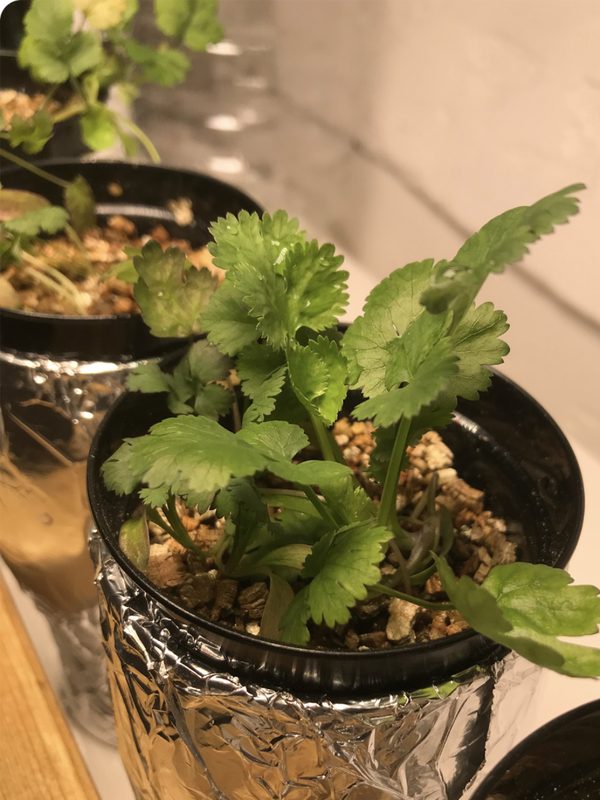
First of all, let's clarify what growing mediums are. Growing mediums are materials that plants grow in. In traditional gardening, plants grow in soil, and soil is the growing medium in that case. However, there is obviously no soil in hydroponics, but plants can't just stay in water. They need something to support them and something for roots to grow around. That's where hydroponic growing medium comes in.
Hydroponic growing medium supports plants' weight and holds them upright. Another role of hydroponic growing medium is to allow plants' roots to have maximum exposure to the nutrients. Hydroponic growing medium absorbs the nutrient solution and helps transfer it to your plants' roots.
There are a lot of different hydroponic growing mediums, such as perlite, vermiculite, coconut coir, rockwool, and expanded clay pellets (aka hydroton), and they all have their pros and cons, which will be discussed below. You can also get special growing mediums for starting seeds, such as starter plugs or oasis cubes.
Perlite is a very popular growing medium, and it's also used in traditional gardening to add aeration to the soil. Perlite is very lightweight and porous, which makes it a good choice for Wick hydroponic systems, since it makes an excellent standing wicking action. It also works well in Drip systems. But because of its lightweight and porous nature, it's not a great choice for systems with strong water flow, such as Ebb and Flow systems, because it can be washed away easily. Perlite can be mixed 50/50 with coconut coir or vermiculite, and many hydroponic growers do so.
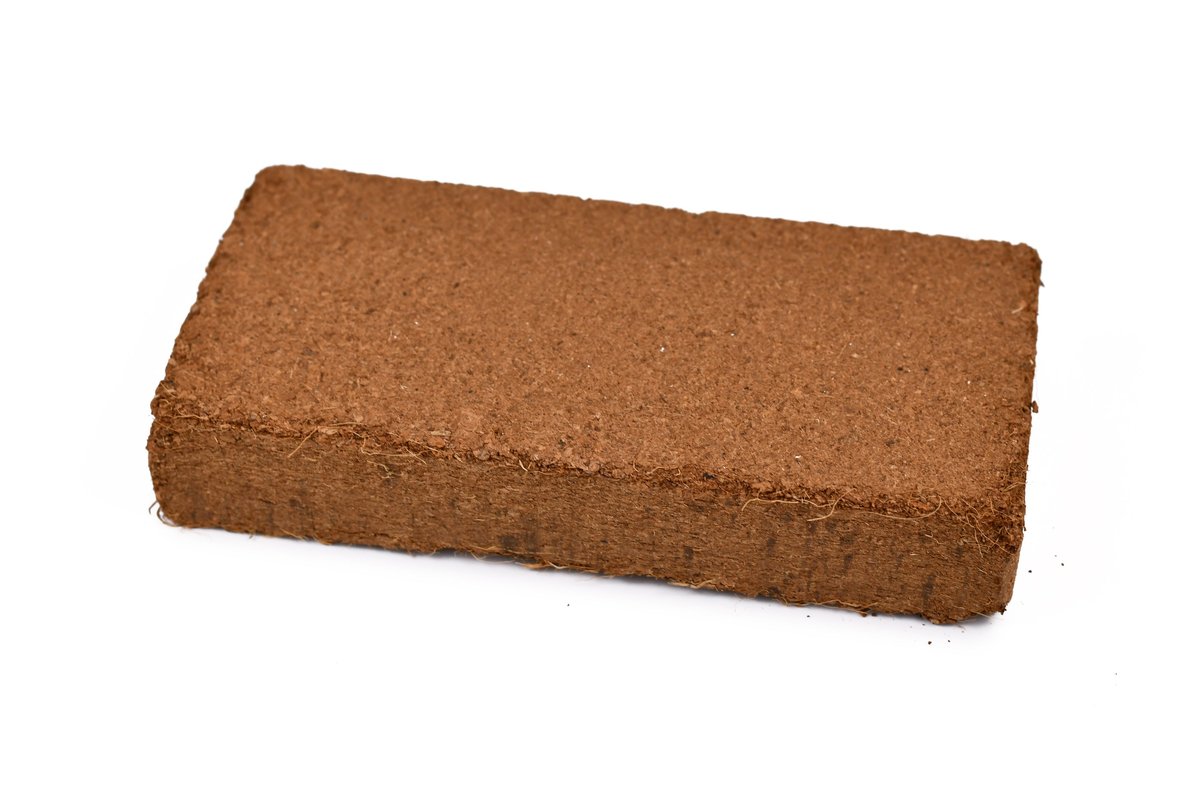
Coconut coir (or coco coir for short) is made from the brown husks surrounding coconut shells. It's one of the best growing mediums because it's organic and holds water well. It works best in Drip and Ebb and Flow systems. It doesn't drain that well, however, so it's often mixed 50/50 with perlite or expanded clay pellets.
Vermiculite is an excellent hydroponic growing medium. Just like perlite, it's lightweight and holds water well; however, it doesn't keep aeration as well as perlite. Since it can hold a lot of water, around 2 to 3 times its weight, there is a risk of suffocating your plants when using vermiculite on its own, so it's often mixed 50/50 with perlite. Vermiculite works best in Drip systems.
Rockwool has been getting used more and more in hydroponics recently, and it's a great all-rounder growing medium. It is resistant to microbes and bacteria and has great water and air retention. A word of caution with rockwool is that it's alkaline, so you can't use it right away. You need to soak rockwool in pH balanced water before using it. Rockwool is really versatile and can be used in any hydroponic system, including Drip, Ebb and Flow, Deep Water Culture (DWC), and Nutrient Film Technique (NFT) systems.
Expanded clay pellets (or hydroton) are small round balls, about the size of marbles. They are lightweight and porous, yet they are still heavy enough to provide support for plants, and they can't be washed away easily. They don't have the best water retention because of the empty space between pellets, and they dry out quite quickly due to the nature of the material. They are also typically more expensive than other growing mediums. They work best in Drip and Ebb and Flow systems.
One email a month from me, Charlie. What is new on the site, one grower’s question answered properly, and the latest video. No spam, no selling.


I’m Charlie, co-founder of Everything Hydroponics. I’ve completed an official qualification in hydroponic cultivation, I run the Everything Hydroponics YouTube channel, and I’ve advised and taught many new and existing growers. I’m a teacher at heart, so what you read here is backed up by peer reviewed research and presented in a digestible way. Most of my growing time now goes on chillies. More about Charlie
You might like these
Hydroponic Fertiliser Explained
What is hydroponic fertiliser? Whether plants grow in soil or in hydroponics they need nutrients, and hydroponic plants depend on fertiliser entirely.
Is Flushing Before Harvest Necessary?
Flushing a hydroponic system is the act of running nutrient free water through the system. The question is, should you do this before harvesting?
Nutrient Deficiencies in Hydroponics
While rare in hydroponics if using reliable nutrient brands, nutrient deficiencies can still occur. If and when they do it can be an issue for your crop.