Hydroponic Water Temperature - The Basics and How to Cool It
- Home
- Hydroponic Systems
- Water
- Water Temperature
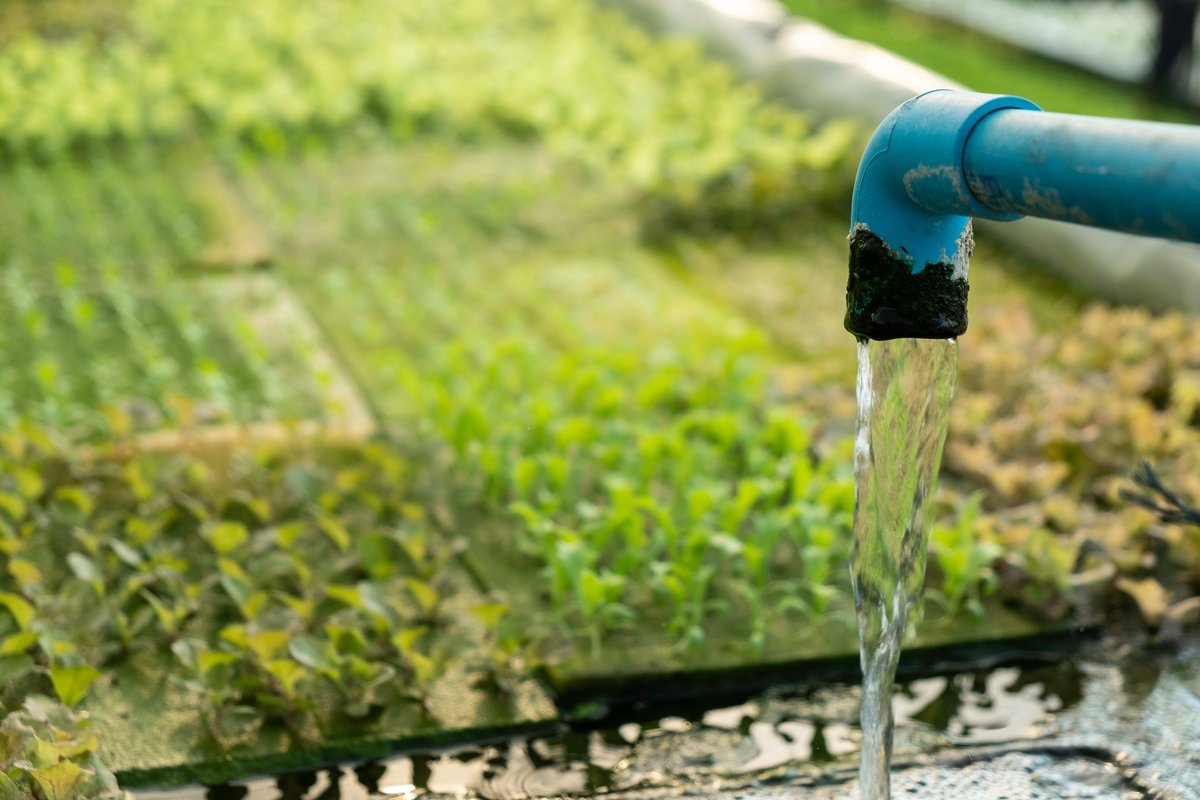
Understanding the Basics of Hydroponic Water Temperature
So, you've started your hydroponic garden and you're growing wonderful, fresh vegetables, but at some point you notice they're not doing as well as you'd hoped. You've tried changing up your nutrient solution, adjusting pH and EC, but this doesn't seem to help. You've checked your plants for any signs of pests and diseases, but all your plants are healthy and there are no pests in sight. Everything seems to be fine, but your plants are still not doing the best they can.
If you've had moments like this, it's highly likely you need to check and adjust the water temperature in your hydroponic system. There is a well-established relationship between water temperature and plant growth. Hydroponic water temperature influences several important factors, such as oxygen solubility and plant metabolic processes. When hydroponic water temperatures rise, the rate of metabolic reactions occurring in plants will increase; however, levels of available oxygen will start to decline because plants will use up available stores faster than they are replenished due to the elevated plant metabolism.
While optimal hydroponic water temperature may vary between different plants, most plants do best in temperatures between 65 and 80°F (18-27°C). This temperature range provides an ideal setting for healthy roots and optimal nutrient absorption. Cool-season crops, such as lettuce, kale, spinach, leafy greens, and strawberries prefer temperatures towards the lower end (65-70°F or 18-21°C), while warm-season crops, like tomatoes, peppers and cucumbers, grow best in temperatures closer to the higher end (70-85°F or 21-27°C). A top tip is when you top up your reservoir, make sure the water you're adding is the same temperature as the nutrient solution in the reservoir. This way the plants' roots will not suffer any sudden temperature shifts.
Maintaining hydroponic water temperature can be challenging, especially in the heat of summer and the cold of winter, but there are a few things you can do to make sure your hydroponic water temps stay on point.
How to Keep the Water in Your Reservoir Cool
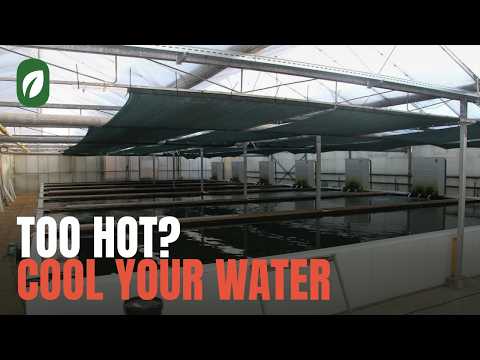
One problem with having a hydroponic system outdoors or in a greenhouse is regulating the temperature of the water in your reservoir. Indoors, the water will stay the temperature of your house, which is probably a comfortable temperature.
Most fast growing herbs, vegetables and flowers enjoy lots of warm sunshine. But what's good for the plant isn't necessarily good for the hydroponic water. Hot water temperatures aren't really conducive to healthy plant roots. Think of the difference between a warm, fetid pond and a beautiful cool river. Which would you rather swim in? Roots are the same way. They like a nice temperature, not too hot and not too cold.
Water that is too warm causes root rot. Root rot comes from a water-borne organism (Phytophthora) that thrives in wet, oxygen-deprived environments. The warmer your hydroponic water is, the less oxygen it holds. The fungus grows on the roots and prevents them from uptaking nutrients. The roots become slimy and brown. It doesn't stay isolated to one plant, and can spread throughout the entire system. Plants without healthy roots can die.
Phytophthora is present pretty much everywhere, and if you give it the proper conditions it will take hold quickly. Do you know about the disease triangle? A susceptible host, a virulent pathogen, and a conducive environment are all required for disease to occur. A warm bath of oxygen-poor hydroponic nutrient is definitely a conducive environment.

Luckily, you can generally reverse root rot. First, empty and scrub out your reservoir. Never forget how important cleanliness is in hydroponics. Then, refill it with fresh, cool water and nutrients. Keep the solution cool. Maybe add an oxygen stone or bubbler, or if you don't have electricity to it, give it a stir now and then. That will go a long way in helping your plants' roots to regrow.
Here are a few ideas on how to keep your nutrient solution cool.
Use only white reservoirs: White reflects the sun, so the tank absorbs less heat. I'd recommend buying white, but you can also paint the reservoir or cover it in white plastic. You could use silver, which also reflects, but you'd probably get blinded if you looked at it!
Shade the reservoir: Is there a way you can keep the reservoir in the shade and still have the plants in the sun? Can you put the reservoir under the plants so they shade it?
Bury the reservoir: Burying the reservoir is a good way to moderate your hydroponic water temperature. It keeps it warmer during the night and cooler during the day. Just make sure no dirt gets in, as that could clog the pump.
Drop in a frozen bottle of water: Instead of ice cubes which can melt and dilute your nutrient solution, try freezing a couple of bottles of water and dropping them in throughout the day as needed to keep your hydroponic water at a cool temp.
Ice packs are another simple and inexpensive option: keep a dozen on hand and add one to the reservoir every 15 minutes until the desired temperature is reached. This method may become time-consuming when temperatures are especially high, though, and it's not really a viable option for larger systems. The ultimate solution would be purchasing a water chiller. It is quite an investment, but chillers can cool down your reservoir quickly, and they do it automatically, so you won't have to add ice packs all the time and watch the temperature. Water chillers operate a coil placed inside your reservoir. When the temperature hits a certain level, the machine kicks in and chills the coil, which then cools your solution.
If you're growing indoors, you likely won't have to heat up your hydroponic water. But if your hydroponic water temperature falls below 65°F (18°C) regularly, you can purchase a hydroponic or an aquarium water heater. They are really easy to use. Simply slip them into your hydroponic water reservoir, turn them on, and let them do their job. Once the ideal temperature is reached, the heater shuts off automatically. When your hydroponic water temperature starts to cool down again, the unit will turn back on and heat it up again.
Remember, not too hot and not too cold. If your hydroponic water temperature is such that you'd like to take a dip in it to cool off on a hot day, your plant roots are probably enjoying it too.
One email a month from me, Charlie. What is new on the site, one grower’s question answered properly, and the latest video. No spam, no selling.


I’m Charlie, co-founder of Everything Hydroponics. I’ve completed an official qualification in hydroponic cultivation, I run the Everything Hydroponics YouTube channel, and I’ve advised and taught many new and existing growers. I’m a teacher at heart, so what you read here is backed up by peer reviewed research and presented in a digestible way. Most of my growing time now goes on chillies. More about Charlie
You might like these
Deep Water Culture: Build A DWC System From A Storage Box
Deep water culture suspends roots in aerated nutrient solution. It needs very few parts, and this is how to build one and why it suits a first system.
Ebb And Flow Hydroponics: How Flood And Drain Systems Work
Ebb and flow floods the roots then drains them, because not every plant likes sitting in water. How the system works, and how to build one.
Wick System Hydroponics: The Simplest System To Build
A wick system draws solution up into the medium with no pump and nothing to fail. What it suits, what it cannot keep up with, and how to build one.