
Hydroponic Plants
- Home
- Hydroponic Plants
Hydroponic plants are any plants which are grown using hydroponics. It seems fairly obvious when you say it, but there can be some confusion about what a hydroponic plant actually is. It doesn't need to be a specific species of plant or have some special characteristics. It simply needs to be grown using a hydroponic system!
This is great news, because if you had a particular plant in mind that you wanted to grow, you can grow it hydroponically (probably... more on that later)
Different Types of Hydroponic Plants
Buying seeds is one of the most enjoyable parts of growing your own food. Browsing through a seed catalogue opens up a huge range of fascinating options, many of which you may never have encountered before. It is very easy to get carried away and order far more seeds than you need. That is perfectly fine. Enjoy the process and try a few unusual plants, but for the best results, it is also wise to select a few reliable favourites.
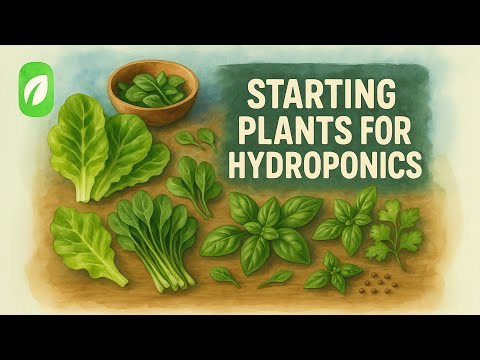
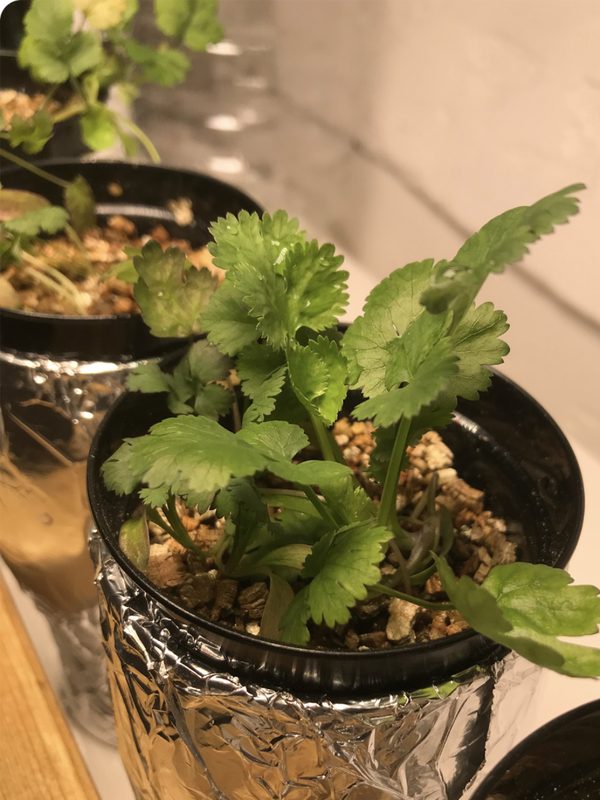
Fast-growing annual plants are the easiest to start from seed. Leafy greens such as lettuce, spinach, kale/arugula and Asian greens germinate easily and grow quickly. Herbs including basil, parsley, stevia and catnip, are also vigorous growers when started from seed. Hydroponically grown tomatoes, aubergines/eggplant, squash, peppers and beans are especially rewarding, and watching them go from seed to harvest is a great experience. Browse seed catalogues or visit a local garden centre to choose varieties that appeal to you. Some suppliers even offer seeds specifically bred for hydroponic growing. Make sure you select varieties suited to your climate, for example, cool-weather leafy greens may bolt quickly if grown in hot conditions.
Bare-root plants: If you already have a plant growing in soil and want to convert it to a hydroponic system, you can do so by carefully washing the roots and transferring it. This process can be very stressful for the plant, so it must be done gently and with care.
Roots absorb both water and nutrients, and they are made up of more than just the visible main roots. They also include extremely fine, delicate root hairs. When removing a plant from soil, never pull it out. Instead, dig carefully around it. Once you have removed the full root ball, soak it briefly in water to loosen the soil. Gently swish the roots to remove dirt. It is not essential to remove every trace of soil, it is better to clean the system later than to damage the roots by scrubbing them.
Strawberries are one fruit that adapts particularly well to bare-root hydroponic growing. Hydroponic strawberries are usually started by purchasing bare-root plants from a nursery or catalogue, rinsing the roots, and placing them directly into the system. They may appear stressed for a few days but typically recover quickly and are among the easiest hydroponic crops to grow.
Clones: Slow-growing, high-value, or rare plants are often propagated using clones. A clone is a cutting taken from a healthy plant and placed into a hydroponic setup. This cutting is genetically identical to the original, known as the mother plant. Cloning usually requires cloning gel. While it is possible to clone without it, the gel greatly improves the chances of successful root development. Hydroponic clones can form roots in as little as a few days, though it may take up to a month. During this time, take care to prevent the stem from rotting.
Plants that do not produce fruit or flowers are generally the easiest to grow hydroponically. Leafy crops such as lettuce and herbs fall into this category. Because they only produce leaves, hydroponic lettuce can be harvested in about half the time required for fruiting plants like tomatoes. Basil grows exceptionally fast in hydroponic systems and can be harvested repeatedly as it regrows. Spinach and kale/arugula are also quick and easy, as are most Asian leafy vegetables. Many seed suppliers offer varieties designed specifically for hydroponic growing.
Always choose plant varieties appropriate for your climate. In very warm regions, select bolt-resistant lettuce and leafy greens. In cooler climates, this is less of a concern.
Small seeds, such as lettuce, are often sold in pelleted form. These pellets make handling much easier compared to tiny, lightweight seeds. They allow for more accurate planting and reduce waste. The pellet dissolves quickly in water, and if the seeds have been primed, they will germinate faster.
Once you have selected your seeds, the next step is choosing a growing medium. Hydroponic plants are grown in materials other than soil, known as mediums. One of the most common options is rockwool, which comes in sheets or cubes with pre-made holes for seeds. Rockwool holds plenty of water while still allowing air to reach the roots, preventing seeds from drowning. However, it is not the most environmentally friendly option.
Oasis Hydrocubes are another alternative. They are reasonably effective, slightly less so than rockwool, but are more affordable and easy to use.
With so many options available, the best medium also depends on the type of hydroponic system you are using. Some systems require firm, structured mediums like rockwool, while others work well with looser materials. Some home growers even start seeds in damp paper towels, jars, or toilet paper.
Hydroponic seeds should be started in clean, fresh water without added nutrients. Nutrients are not necessary until the first true leaves appear.
Now it is time to choose your seeds and get growing.
One email a month from me, Charlie. What is new on the site, one grower’s question answered properly, and the latest video. No spam, no selling.


I’m Charlie, co-founder of Everything Hydroponics. I’ve completed an official qualification in hydroponic cultivation, I run the Everything Hydroponics YouTube channel, and I’ve advised and taught many new and existing growers. I’m a teacher at heart, so what you read here is backed up by peer reviewed research and presented in a digestible way. Most of my growing time now goes on chillies. More about Charlie