Home hydroponics for beginners: choose a setup that fits your home
If you are new to hydroponics and want a simple way to grow food at home, this site will help you start small, choose a setup that suits your space and your budget, and avoid the sort of first purchase you later regret.
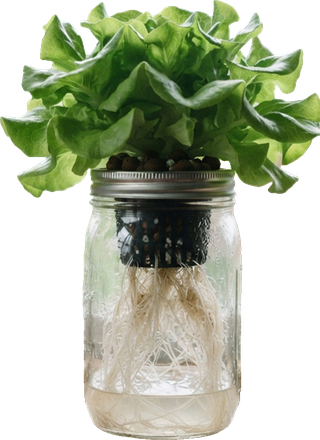
Hydroponics only means growing plants in water instead of soil, and it can be as small as a jar on a windowsill. The goal is not to build everything at once. It is to choose well, keep it manageable, and get to a first harvest worth putting on a plate.
Which setup fits your home?
Start with the space you actually have, and how much of it you are willing to give up. Everything else follows from that.
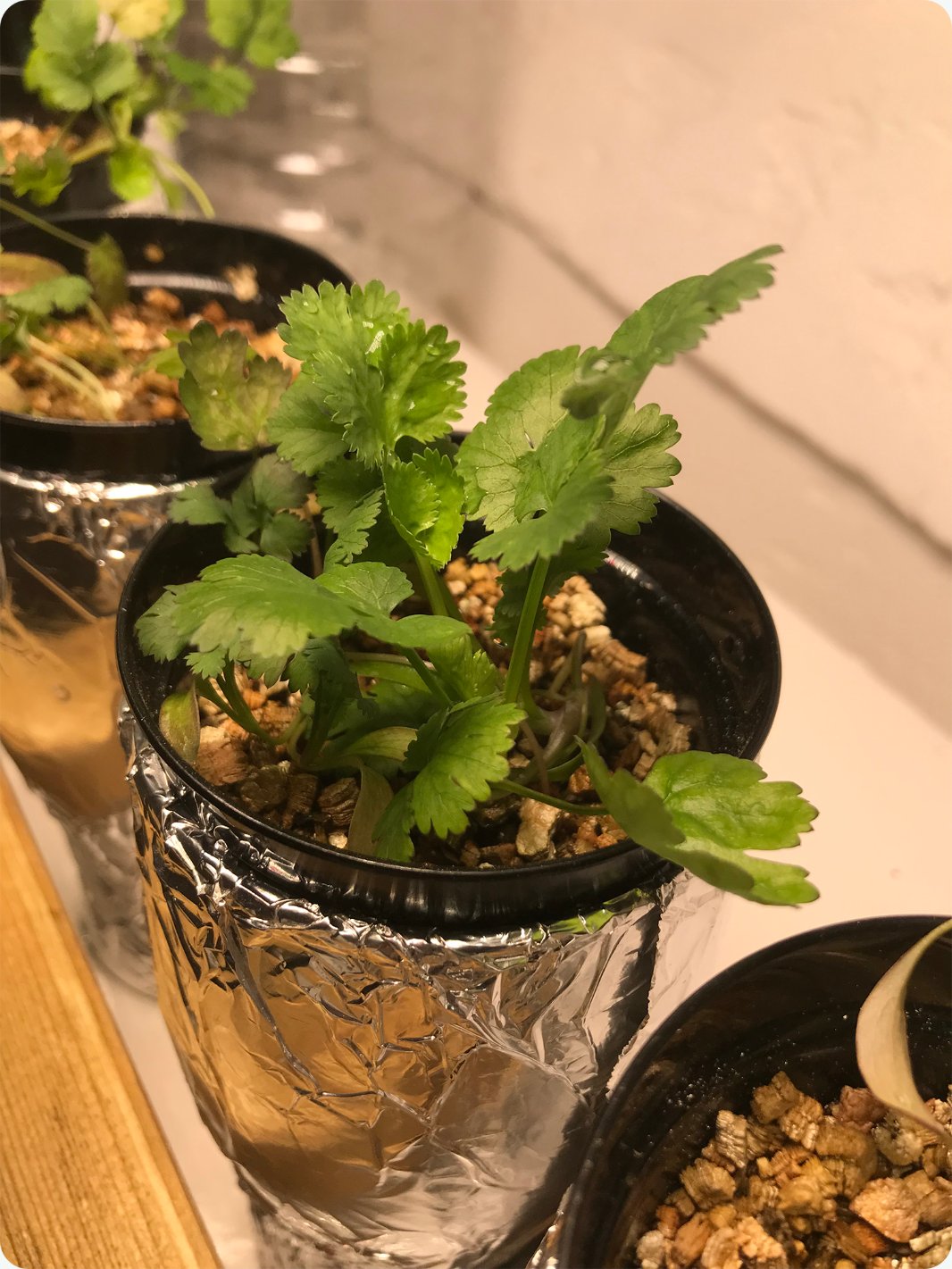
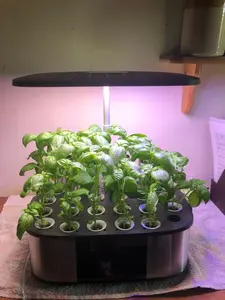
The cheapest way in and the easiest to keep going. A jar system or a small countertop kit will grow herbs and salad leaves without taking over the kitchen.
Kits and simple builds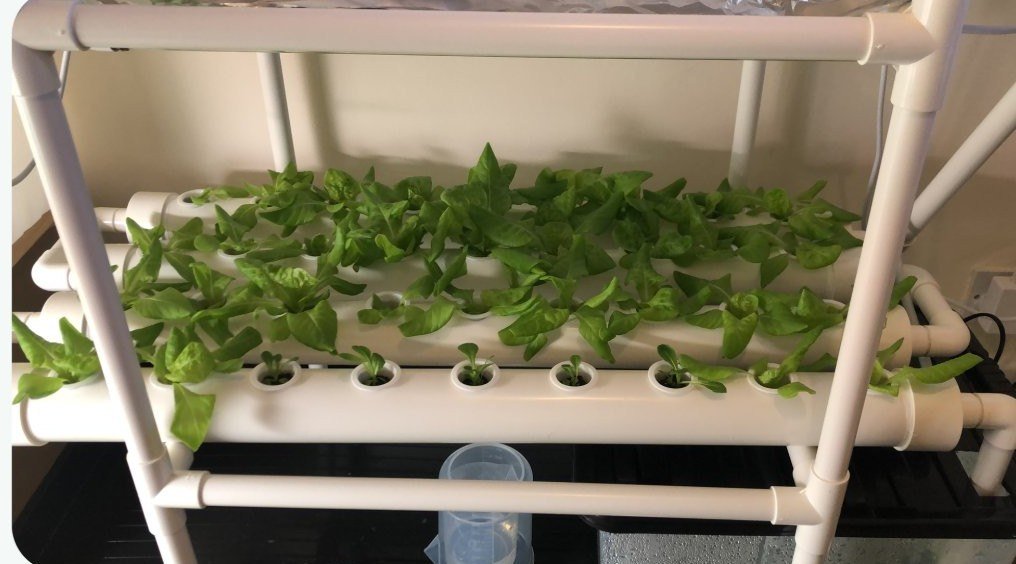
Room for one proper system on a shelf or a stand. This is where most people start, and leafy greens do well in it from the first crop.
Compare the system types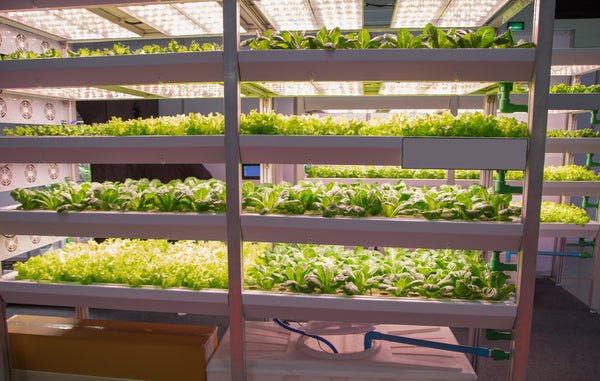
More space and more control, but more to manage. Heat, airflow and noise matter more here than the system itself does.
Set up a room or a tent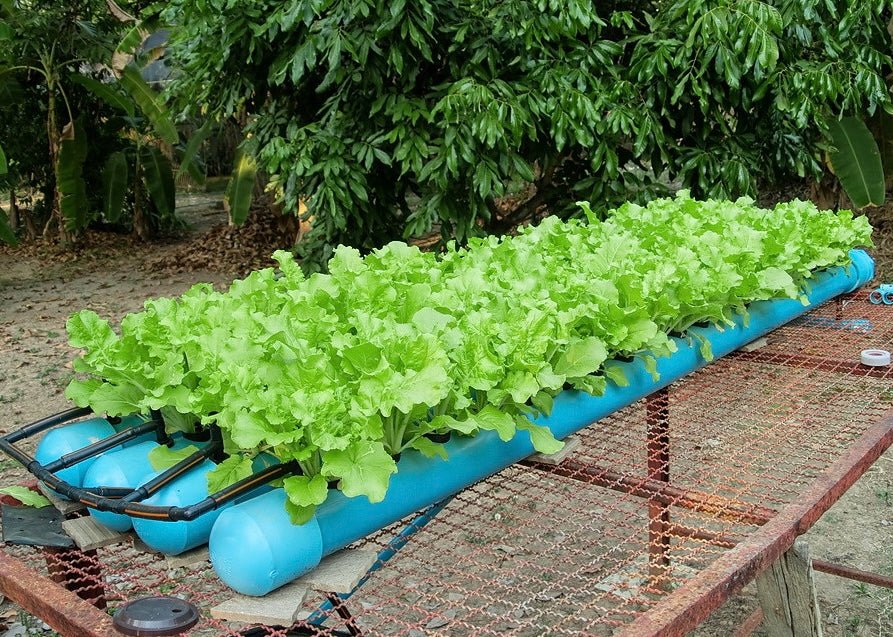
Free light, and weather to work around. Simple systems still do the job outdoors, and you can start with very little.
Growing outdoorsWhy it works well at home
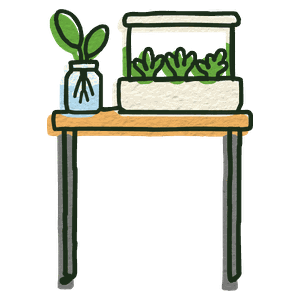
It fits small spaces
Systems sit on a shelf or stack upwards, so a small footprint can still hold a useful number of plants.

It uses far less water
The water circulates rather than draining away into the ground, so a home system gets much more out of every litre.
It stays manageable
You decide the light, the feed and the temperature, and once a small system is running it needs only a few minutes of attention a week.
Why listen to me?
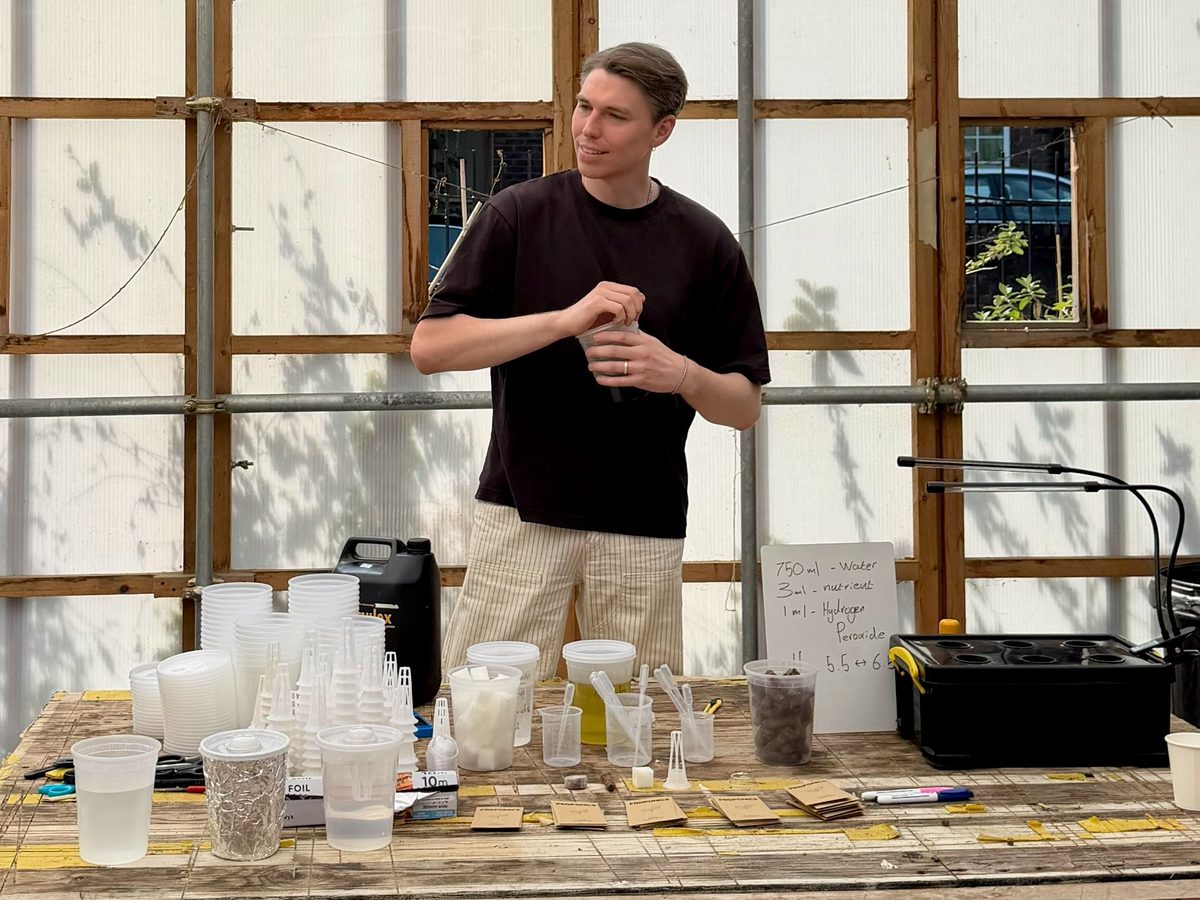
I'm Charlie. I have an official qualification in hydroponic cultivation, I run the Everything Hydroponics YouTube channel, and I have advised and taught a lot of new and existing growers. I am a teacher before I am anything else, so what you read here is backed by peer reviewed research and written to be understood rather than to sound clever.
I will also tell you when something is wrong for your situation. If your space, your budget or your back rules a system out, that is worth knowing before you buy it rather than after. A list of the ten best kits can never say that.
 Charlie says
Where to go next
Each card opens one section of the site. Pick the one that matches your question and start there.
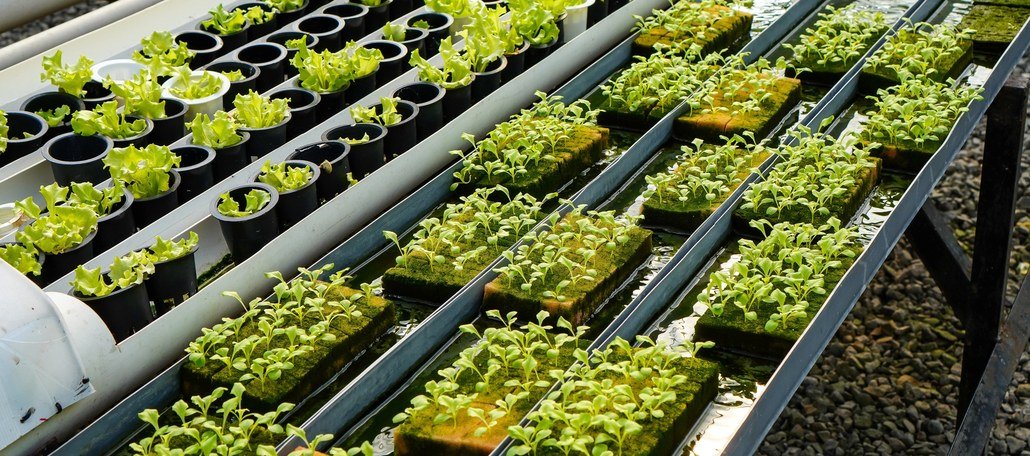
Hydroponic Systems
the handful of system types that matter, and which one suits a small space
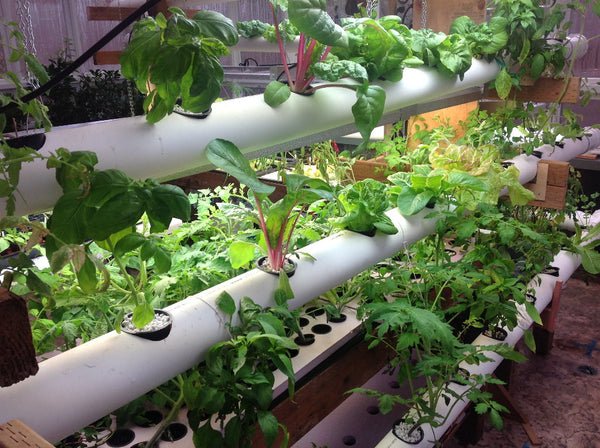
DIY & Kits
buy a kit or build your own, and what each route really costs
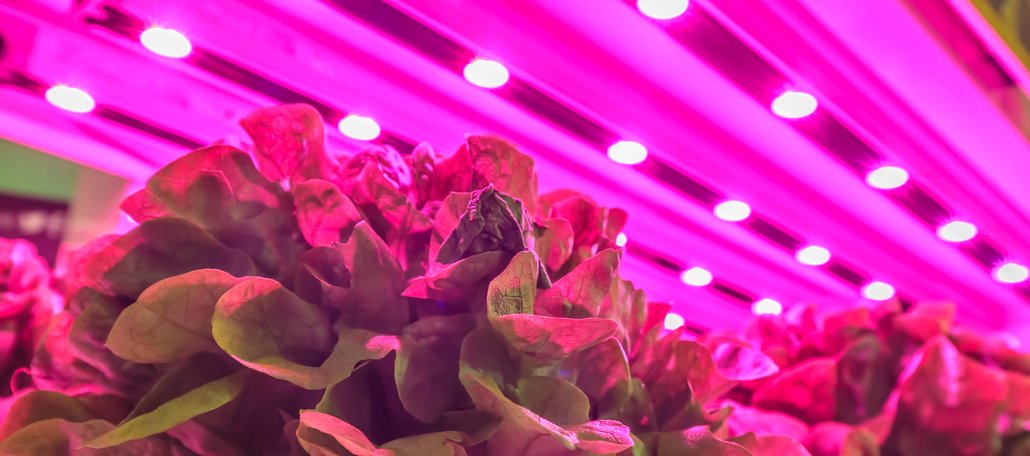
Grow Lights
how much light your plants need, and how not to pay for more
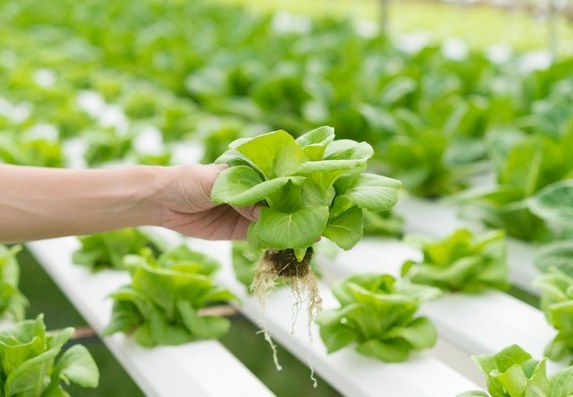
Hydroponic Plants
what to grow first, crop by crop
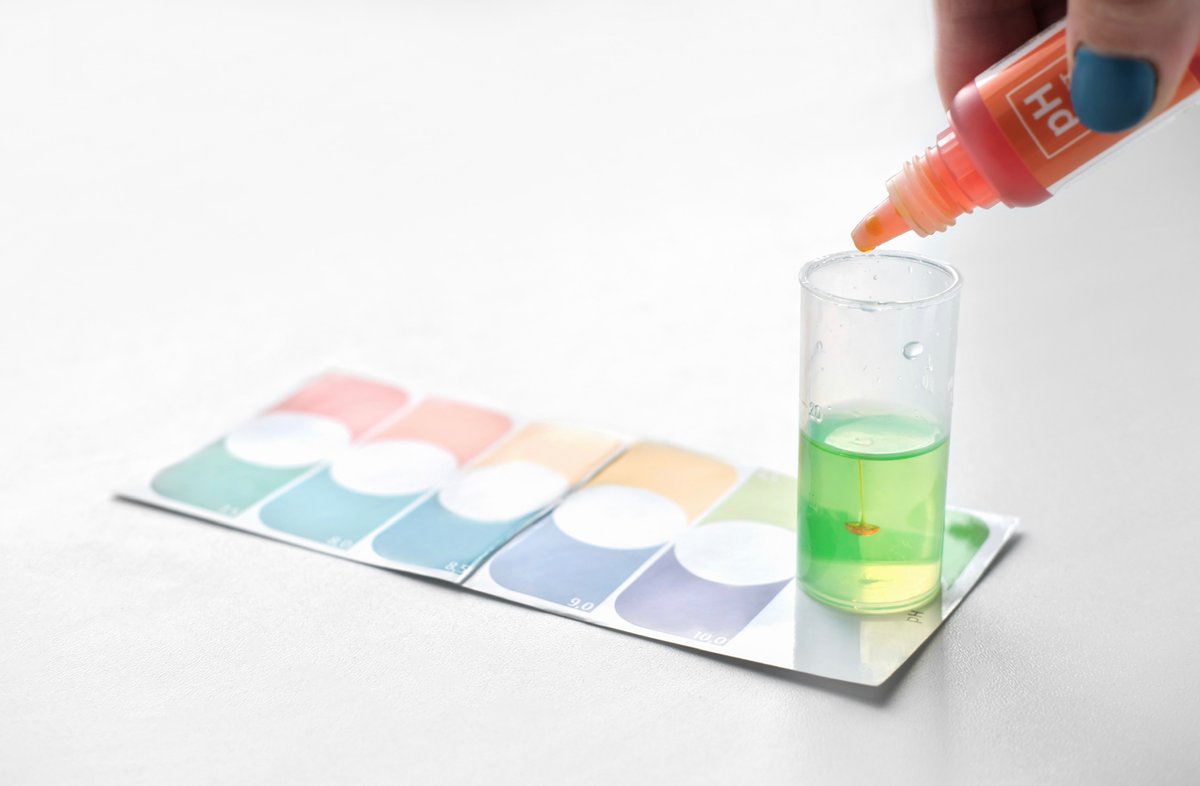
Hydroponic Nutrients
feeding your plants, plus pH and EC without the jargon
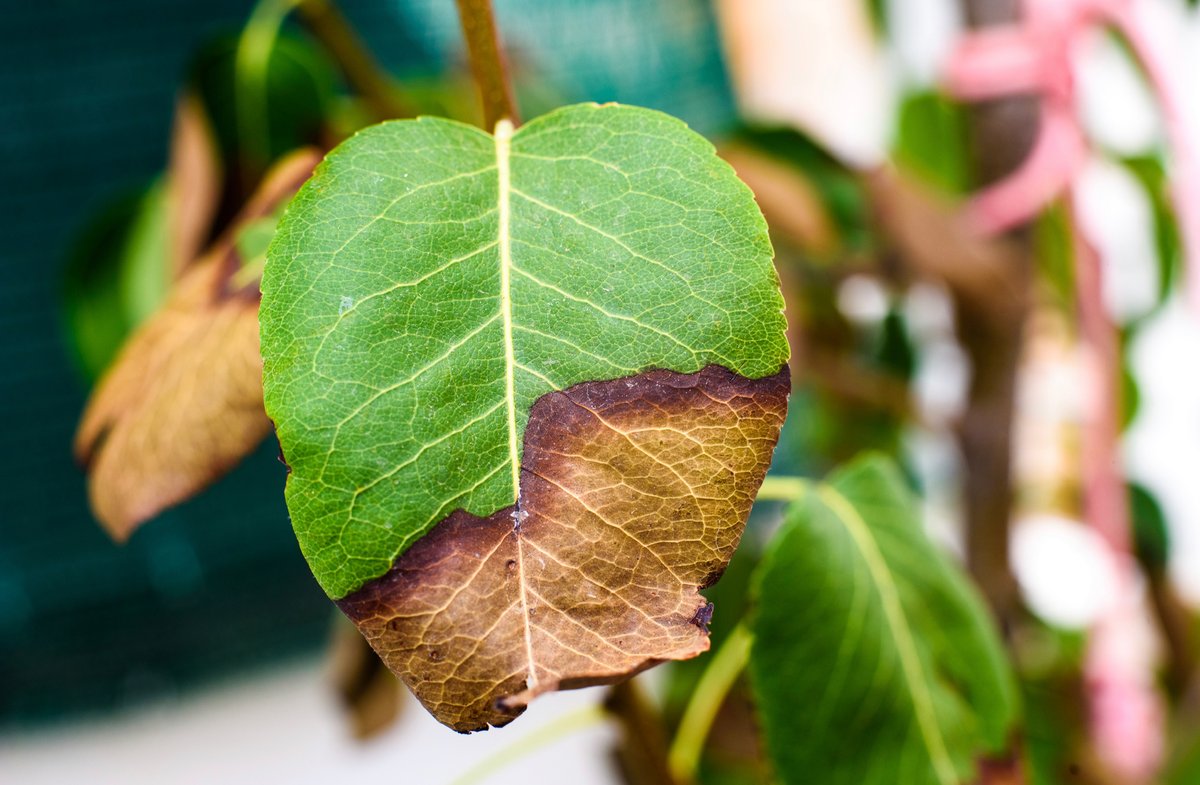
Plant Care & Troubleshooting
what to check first when something looks wrong
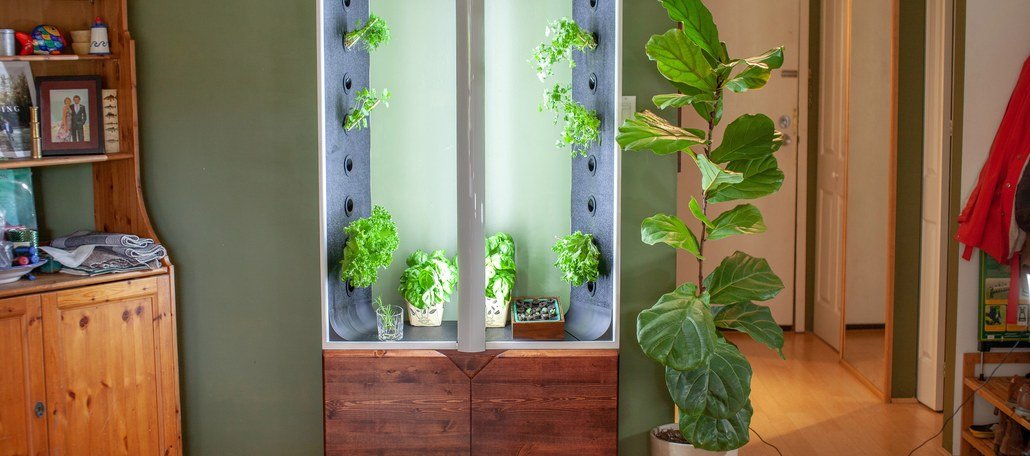
Grow Rooms & Tents
heat, airflow and space, if you are growing in a room or a tent
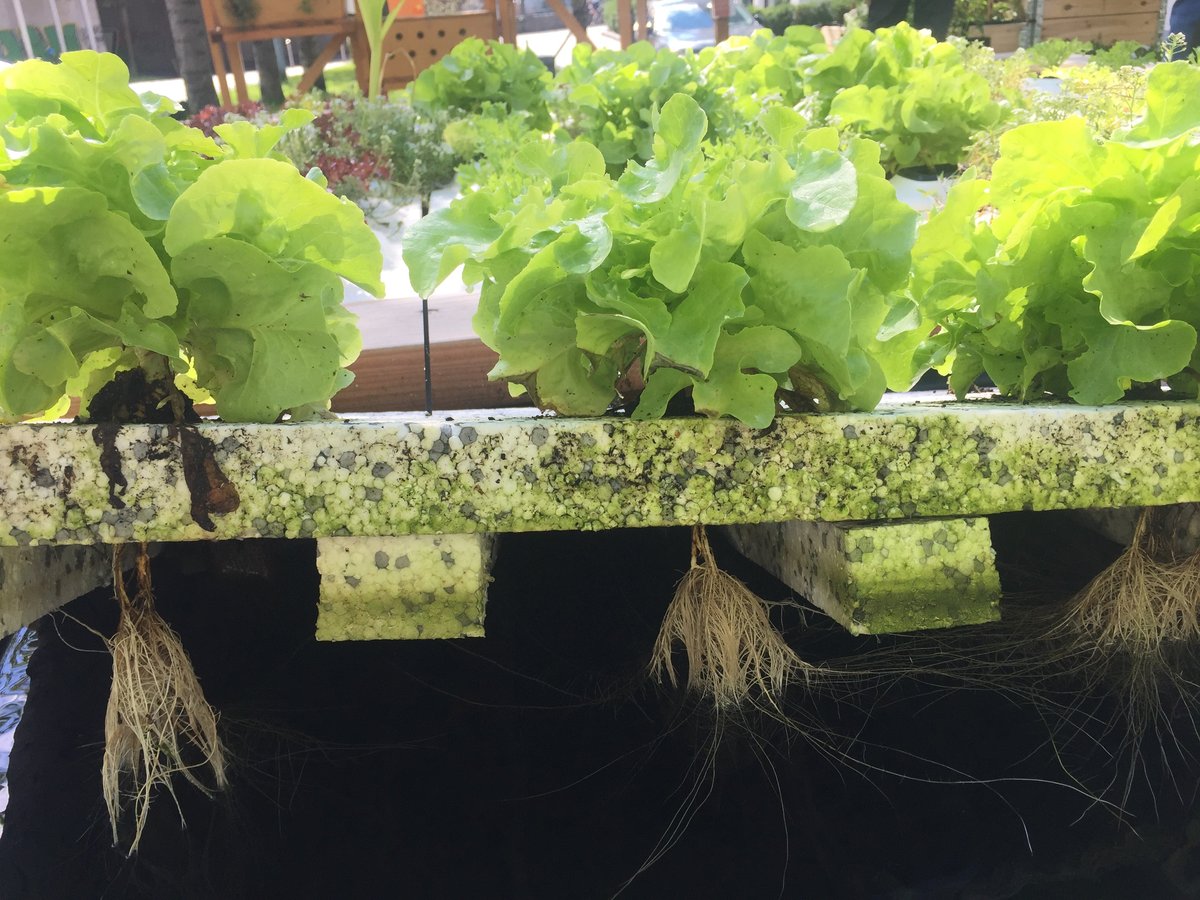
Hydroponics Basics
the background, for when you want to know why something works
Three guides to get started
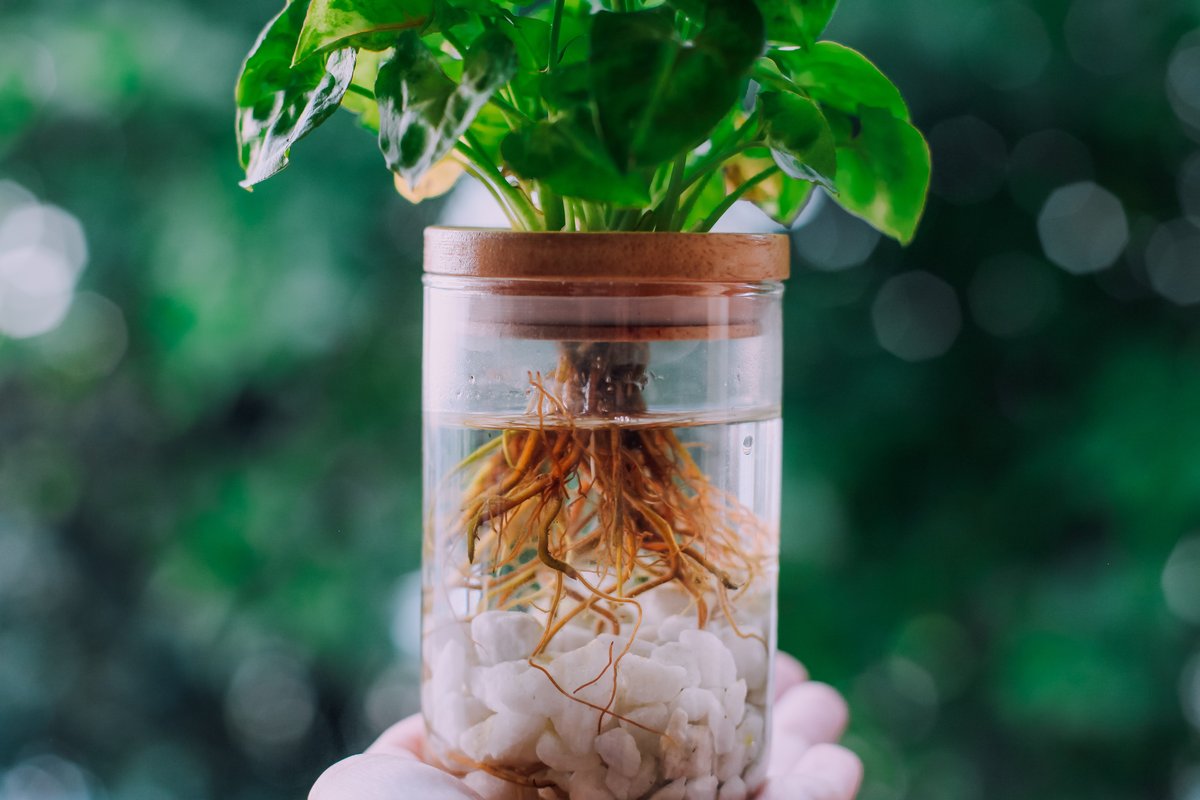
The Kratky Method
Kratky method hydroponics is a type of passive hydroponics that requires no pumps or electricity.
Read the guide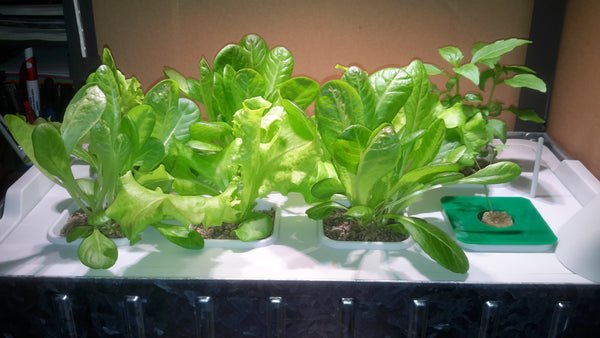
Choosing an indoor kit
It will tell you how to select the kit that is best for you by ruling out other kits that you don’t need and focusing on the kit that you do.
Read the guide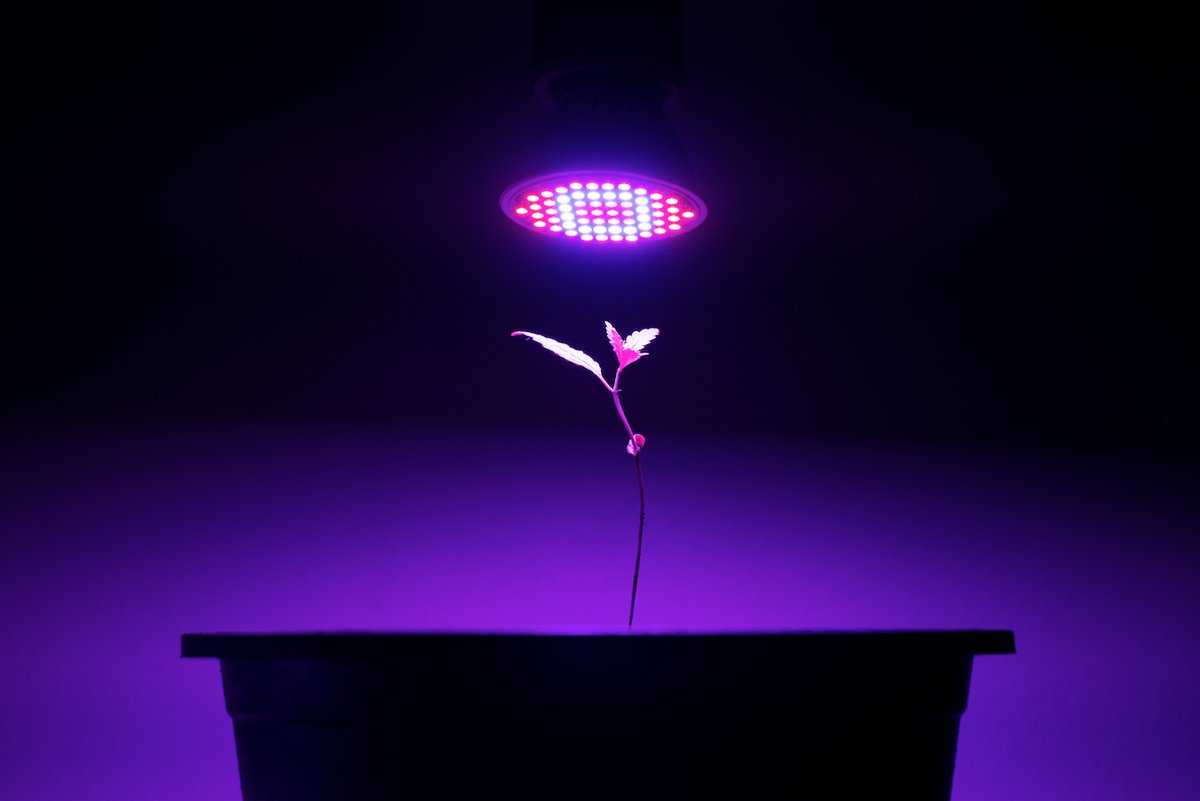
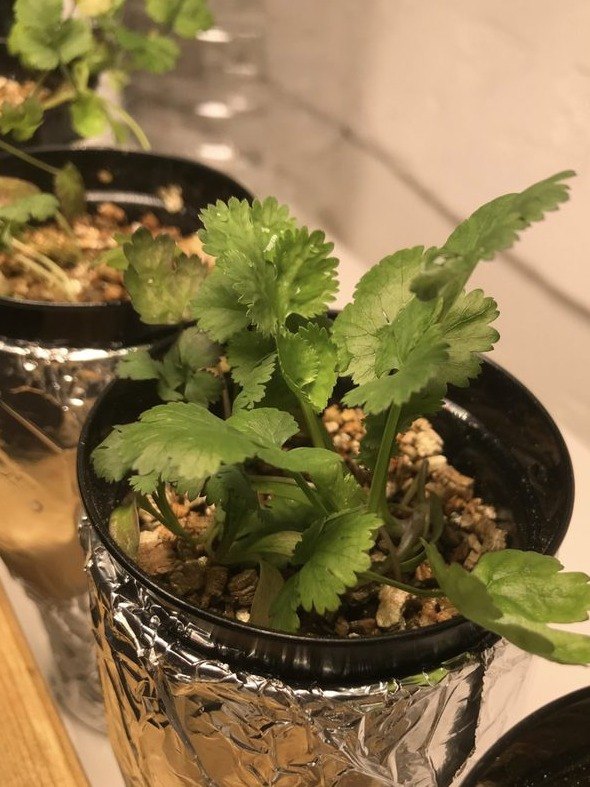
What a setup costs
You have two options when it comes to setting up a hydroponic system: you can either buy a kit or build a system yourself.
Read the guideNew video: Hydroponics for Beginners
Hydroponics is a way to grow plants in a nutrient-rich solution without soil. While it may sound unusual and futuristic, hydroponics isn’t new.
One email a month from me, Charlie. What is new on the site, my answer to one grower’s question, and the latest video. No spam, no selling.

Still not sure? Ask me a hydroponics question, or browse every guide on the site.
New on the site


-
How Much Food Does an Indoor Hydroponic Kit Actually Grow?
Oct 17, 26 10:40 AM
 What a countertop hydroponic kit really yields, in servings: my own harvest figures, the crops that pay per pod, and when a kit is the wrong buy.
 -
Indoor Hydroponic Kit Comparison: 7 Checks Before You Buy
Oct 05, 26 07:04 AM
 Indoor hydroponic kits compared by fit, not hype: seven checks that rule kits out, what a year really costs, and when the answer is not a kit at all.
 -
Hydroponic Chillies: How I Grow Them Indoors, Seed to Harvest
Oct 01, 26 07:24 PM
 How to grow hydroponic chillies indoors: the system, light, pH and EC by stage, pollination and fixes, from my own cayenne grows, seed to harvest.