Hydroponic Houseplants Explained
- Home
- Hydroponic Plants
- Hydroponic Houseplants
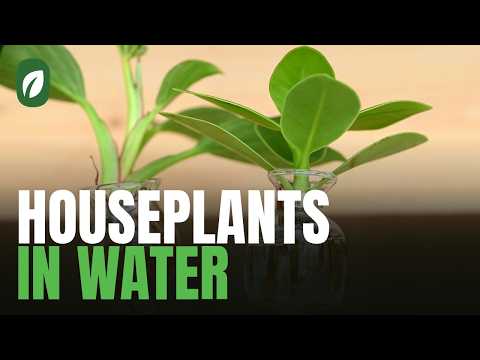
A Guide to Hydroponic Houseplants
Did you know that you can grow houseplants hydroponically? Hydroponic houseplants are easy to overlook, even if you've been growing vegetables and herbs hydroponically for years. When you think about hydroponics, most people would probably think of large-scale indoor farms or a small indoor hydroponic setup in a house or even a flat. But you can also have hydroponic houseplants, and in this guide I'll cover everything you need to know to grow your own hydroponic houseplants.
You can grow almost any houseplants hydroponically, but I would suggest avoiding heavily vining plants. Houseplants that do especially well in hydroponics include philodendron, money tree, peace lily, spider plant, English ivy, geranium, lucky bamboo, coleus, wandering jew, Chinese evergreen, and pothos.
Houseplants can be grown in any type of hydroponic systems; however, I would suggest going with a Wick, Deep Water Culture (DWC), Kratky, or a Drip system. Aeroponic, Ebb and Flow, and Nutrient Film Technique (NFT) are more complicated and require more maintenance. You can either buy a kit or build a hydroponic system yourself if you're good at DIY.
Just like vegetables and herbs, houseplants need adequate lighting, which you can provide by getting grow lights. Foliage plants need about 14-16 hours of light per day, and flowering plants need 12-16 hours of light per day. Fluorescent and LED grow lights work really well for houseplants.
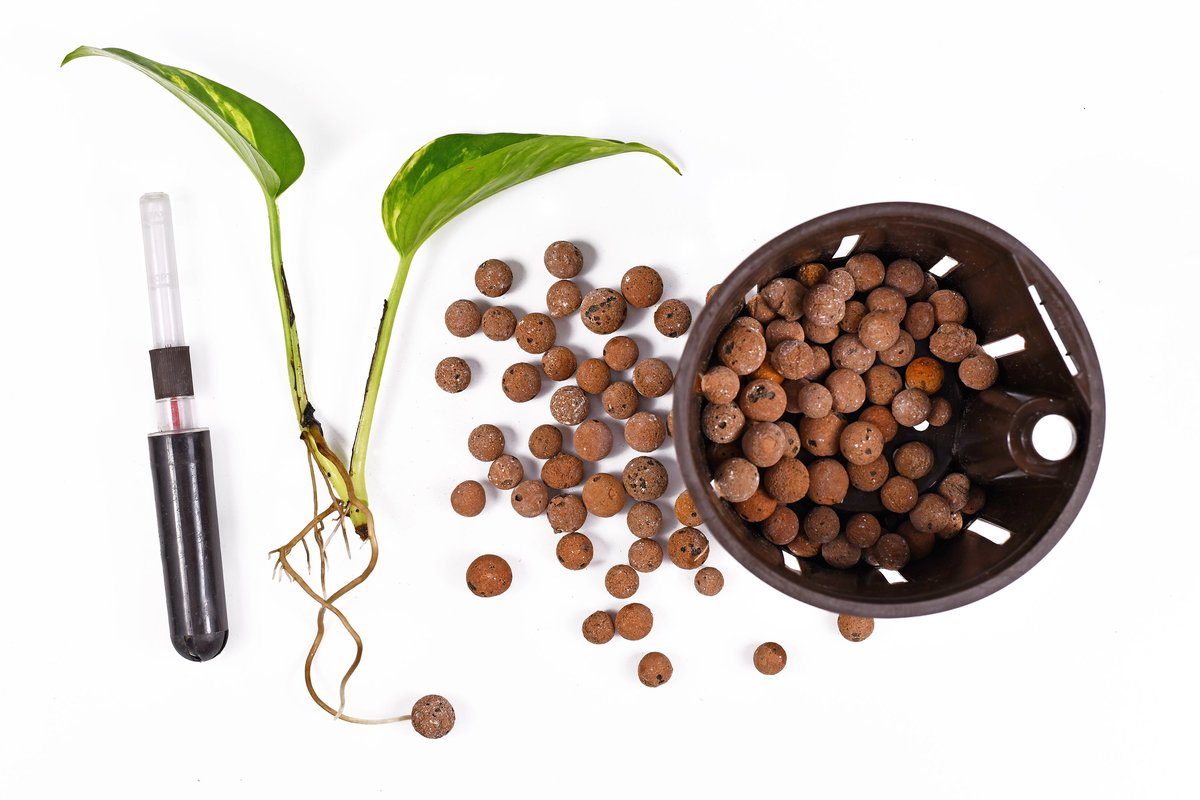
Once your hydroponic setup is ready, you'll need to think about how you will start your plants. You can start your hydroponic houseplants from seed, or you can purchase seedlings from a garden centre, or you can propagate plants from cuttings (also called cloning).
Growing hydroponic houseplants is not that much different from growing vegetables or herbs. They have similar requirements, and you will have to do all the same basic maintenance. There's a whole section on the site that covers everything you need to know about nutrients and monitoring your nutrient solution in hydroponics.
Remember to check periodically that things like pumps, aerators, and connections are all in good working order. If you have any spare back up parts, this can be useful to replace in an emergency.
I would also suggest keeping a log of your hydroponic gardening. It will become a manual that you refer back to time after time so that you can learn from mistakes and not repeat them in the future. You can learn what works well for your system and plants and what doesn't, so that you can repeat what went well and avoid things that didn't go so well.
One email a month from me, Charlie. What is new on the site, one grower’s question answered properly, and the latest video. No spam, no selling.


I’m Charlie, co-founder of Everything Hydroponics. I’ve completed an official qualification in hydroponic cultivation, I run the Everything Hydroponics YouTube channel, and I’ve advised and taught many new and existing growers. I’m a teacher at heart, so what you read here is backed up by peer reviewed research and presented in a digestible way. Most of my growing time now goes on chillies. More about Charlie
You might like these
Hydroponic Leafy Greens: A Step By Step Guide To Growing Lettuce
Leafy greens are the quickest way into hydroponics. What counts as one, and a step by step guide to growing lettuce from choosing seed to harvest.
Hydroponic Microgreens: How To Grow A Tray At Home
Microgreens are seedlings cut before their first true leaves, and they germinate in four or five days. What to sow, how to light them, and when to harvest.