Kratky Method Hydroponics
- Home
- Hydroponic Systems
- Deep Water Culture
- Kratky Method Hydroponics
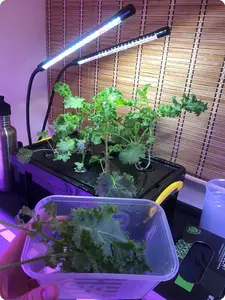
Kratky method hydroponics is a type of passive hydroponics that requires no pumps or electricity. Developed by Bernard Kratky, a researcher at the University of Hawaii, and introduced in Acta Horticulturae in 2009, this approach is known for its simplicity and low maintenance. It is ideal for growing one or two plants at a time, making it a useful starting point for beginners who want to experiment with hydroponics before committing to a larger, more complex system. It's the first hydroponic system I ever tried!
The Kratky method offers several advantages: it is inexpensive, straightforward, and requires very little ongoing attention since there are no mechanical components to maintain. It performs particularly well with leafy greens and herbs. Although it is possible to grow larger crops such as tomatoes or peppers, doing so requires topping up the nutrient solution regularly and monitoring water levels to ensure that the roots still have access to oxygen.
Despite its convenience, the method has limitations. Because there is no active circulation of nutrients or air, the amount of oxygen reaching the roots is limited, and adjusting nutrient levels precisely can be challenging. While Kratky method hydroponics is excellent for learning the basics of hydroponics, engaging children, or growing a few herbs or decorative plants, it is not suitable for producing a reliable, ongoing food supply or supporting a self-sustaining lifestyle.
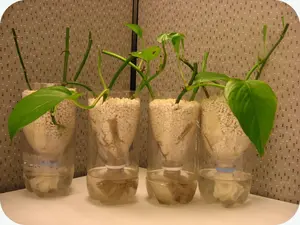
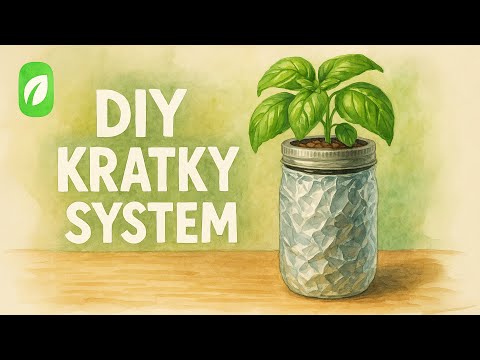
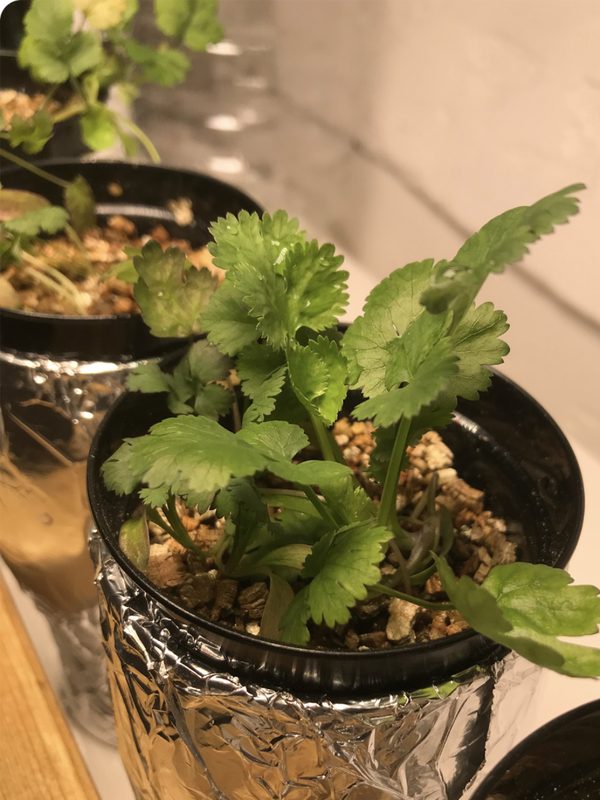
To set up a Kratky system, you only need a container with a lid, a net pot, a growing medium, and a nutrient solution. A mason jar can serve as the container if nothing else is available. Fill the container with nutrient solution so that it reaches about one-third of the net pot’s height. Place your plant into the net pot, filled with a suitable growing medium, and suspend the pot above the container. Part of the plant’s roots will sit in the nutrient solution, while the rest remain exposed to air, allowing the plant to access oxygen. As the plant matures, it consumes the water, gradually lowering the liquid level and increasing the air gap. If the water level does not drop enough, or if the gap is too small, the roots may remain overly saturated and develop rot.
Building Kratky Method Hydroponics
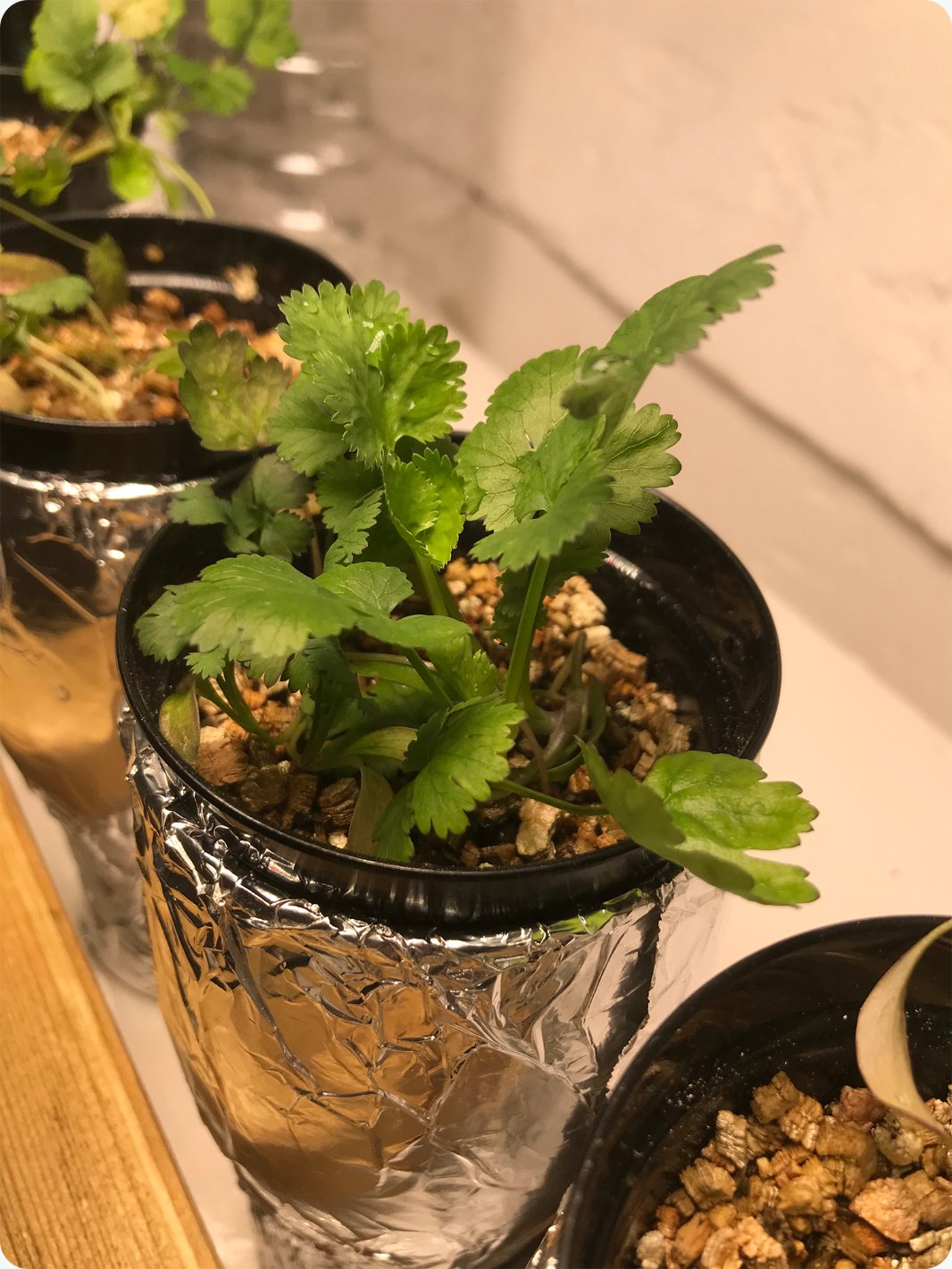
A Kratky system is essentially a deep water culture (DWC) system without a pump. It is perhaps one of the easiest systems to build and maintain, as it doesn’t require any electronic devices and electricity to run.
In a Kratky method hydroponics, nutrients are added to the reservoir. Plants with a growing medium are placed into net pots that are held by a lid and hung above water. Plants’ roots are submerged into the water and partly exposed to the air so that they can get both nutrients from the nutrient solution and oxygen from the air.
Supplies
-
Reservoir
The container holds the nutrient solution. Its size depends on what you intend to grow. For small herbs or leafy greens, something as simple as a 2-litre bottle or milk jug works well. Larger crops require more space, and a 5-gallon (19 L) opaque bucket (preferably black to block light and reduce algae growth) is a common choice. -
Lid
The lid supports the net pots and prevents excessive evaporation. Many buckets and containers come with lids, but if yours doesn’t, you’ll need to source one separately. Plastic or Styrofoam both work, provided the material can support the weight of the plants.
-
Net pots
Select a size that suits your crop. A 3-inch (7.5 cm) net pot is a versatile, commonly used option suitable for most plants.
-
Growing medium
Options such as coco coir, perlite, vermiculite, or Hydroton are all compatible with the Kratky method. Hydroton is particularly popular due to its neutral pH and excellent aeration properties.
-
Nutrient solution
This provides essential minerals that the plants would otherwise obtain from soil.
-
pH meter and pH control kit
These allow you to measure and adjust the pH of your nutrient solution. Maintaining the correct range ensures plants can absorb nutrients efficiently.
Tools
-
Electric drill
- Hole saw (3-inch / 76 mm) to cut openings in the lid
How to Assemble the System
-
Prepare the lid
Drill or cut holes in the lid large enough to securely hold the net pots.
-
Fill the reservoir
Add water, ideally filtered or distilled, to the container.
-
Mix the nutrient solution
Add nutrients according to the recommended dosage and stir thoroughly.
-
Adjust pH
Test the solution using a pH meter. Aim for a range of 5.5 to 6.5. If the reading is outside this window, use the pH control kit to correct it.
-
Place the plants
Position the net pots containing your growing medium and seedlings into the lid. Ensure that part of the roots is submerged in the nutrient solution while the remainder stays above the waterline.
As the plants grow, they take up water from the reservoir, causing the liquid level to drop and creating an air gap that allows the roots to receive oxygen. Growth is usually rapid, and by the time most of the water has been used, the plants are often ready to harvest. If they are not yet mature or you wish to extend the growing period, you can replenish the reservoir with fresh water and nutrients, making sure to adjust the pH as needed.
Video Guide for Kratky Method Hydroponics
One email a month from me, Charlie. What is new on the site, one grower’s question answered properly, and the latest video. No spam, no selling.


I’m Charlie, co-founder of Everything Hydroponics. I’ve completed an official qualification in hydroponic cultivation, I run the Everything Hydroponics YouTube channel, and I’ve advised and taught many new and existing growers. I’m a teacher at heart, so what you read here is backed up by peer reviewed research and presented in a digestible way. Most of my growing time now goes on chillies. More about Charlie
You might like these
Deep Water Culture: Build A DWC System From A Storage Box
Deep water culture suspends roots in aerated nutrient solution. It needs very few parts, and this is how to build one and why it suits a first system.
Ebb And Flow Hydroponics: How Flood And Drain Systems Work
Ebb and flow floods the roots then drains them, because not every plant likes sitting in water. How the system works, and how to build one.
Wick System Hydroponics: The Simplest System To Build
A wick system draws solution up into the medium with no pump and nothing to fail. What it suits, what it cannot keep up with, and how to build one.