How to Clone a Tomato Plant - A Step-by-Step Guide
- Home
- Hydroponic Plants
- Cloning
- Tomatoes

Easy Instructions on How to Clone a Tomato Plant
Did you know you can start a plant without using seeds? You can cut a piece off of an existing plant, and it will grow roots. It will be an exact copy of the plant you cut it from, and the same age in its development. This is called a clone. One of the easiest plants to clone is a tomato plant. Have you ever noticed that the stem is covered in tiny hairs? Each of those hairs has the potential to become a root.
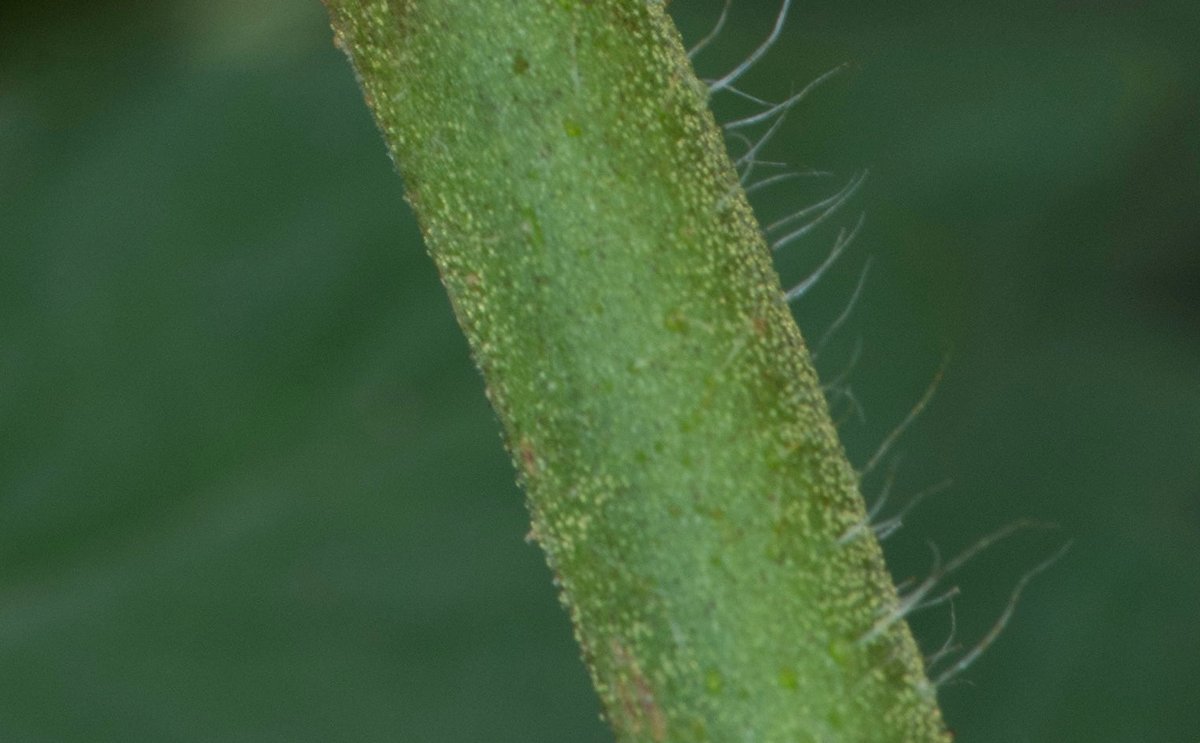
Here is a step by step guide to cloning a tomato plant. You can follow these directions to clone just about any plant with a soft stem.
Materials
- A very healthy tomato plant (known as the mother plant)
- Sharp, sterilised knife or scissors
- Cloning gel (optional but very, very helpful)
- Media such as Oasis Hydrocubes or rockwool or coco coir starter plugs. A piece of wetted, thick paper towel (or even a jar full of water) would probably work too if you don't have the other media but it's easier with the right equipment.
Directions
- Choose a nice healthy branch from your tomato plant. Cut it off with a straight cut. A diagonal cut will leave a bigger wound on the mother plant which will open it up to bacteria or mould.
- Now cut the bottom of the cutting diagonally to leave a bigger surface for roots to form. (Note: with a tomato plant the diagonal cut doesn't matter as much since there are so many root hairs. A plant with a harder stem will benefit a lot from a diagonal cut.)
- Dip the bottom of the cutting in the cloning gel (Hint: Do this as soon as possible after making the cut. You don't want it to dry out before you get it in the cloning gel. If you are making a lot of clones, you can keep them in a jar of water until you get to each one)
- Wet the cubes that you are using and stick the clone right into the cube. If your clone has a pointy end from your nice diagonal cut, it should be really easy to poke it into the cube. If you only have a jar of water, place the clone in the water, or wrap it in a wet paper towel.
Now this poor clone will struggle until it grows roots. The best thing you can do for it is to keep the medium wet, and definitely keep it out of the sun. Don't pull it out to look if it has gotten roots, and don't try to move it into a different medium. Just leave it alone. It may look wilty for a few days. Don't worry! Even if some of the bottom leaves fall off, it will probably still live.
In about a week, you should notice that your cutting looks a little more lively. It will perk right up and stop looking limp and sad. Start feeding it a very dilute nutrient solution at first, like with an EC of 0.5-1.0. When you see roots coming out the bottom of the medium, it's time to put it where you want it to live. How you plant your clone is up to you - you can put it in your garden in soil, you can place it in a hydroponic system, or if it's a houseplant you can plant your clone in a pot.
Some plants, like those with a woody stem can be hard to clone. Soft stem plants like tomatoes and basil are very easy to clone. If you have one that doesn't seem to be getting roots, just keep waiting. If you waited three weeks or more for some rosemary cuttings you might well get roots eventually. Five out of six rooting is a realistic result, and those five go on to become massive rosemary bushes. The odd cutting never roots at all, so you can't always win.
Happy cloning!
One email a month from me, Charlie. What is new on the site, one grower’s question answered properly, and the latest video. No spam, no selling.


I’m Charlie, co-founder of Everything Hydroponics. I’ve completed an official qualification in hydroponic cultivation, I run the Everything Hydroponics YouTube channel, and I’ve advised and taught many new and existing growers. I’m a teacher at heart, so what you read here is backed up by peer reviewed research and presented in a digestible way. Most of my growing time now goes on chillies. More about Charlie
You might like these
Hydroponic Leafy Greens: A Step By Step Guide To Growing Lettuce
Leafy greens are the quickest way into hydroponics. What counts as one, and a step by step guide to growing lettuce from choosing seed to harvest.
Hydroponic Microgreens: How To Grow A Tray At Home
Microgreens are seedlings cut before their first true leaves, and they germinate in four or five days. What to sow, how to light them, and when to harvest.