Hydroponic Nutrient Monitoring - How to Monitor pH and EC/PPM
- Home
- Hydroponic Nutrients
- Nutrient Monitoring

Easy Guide for Monitoring pH and EC/PPM
When you have just set up a new hydroponic system, you will have to measure the pH (potential of hydrogen) and EC (electrical conductivity) or PPM (parts per million) levels of your nutrient solution frequently. You should be measuring them 1-2 times a day initially. When they have settled and you're more used to the system, you can reduce this to testing every couple of days. Any time you add more nutrient solution, you will need to be monitoring pH and EC/PPM levels.
There are two tools that you must have if you are growing hydroponically. These are the EC meter and the pH meter. Without these meters, you cannot control your nutrient solution. You could try to guess, but you will almost certainly end up overfeeding or underfeeding your plants. The only time you may be able to get away without the meters is if you are using organic nutrients, but it's still a good idea to monitor your solutions, just so you have a baseline in case something goes wrong.
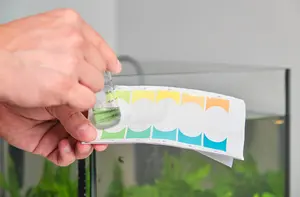
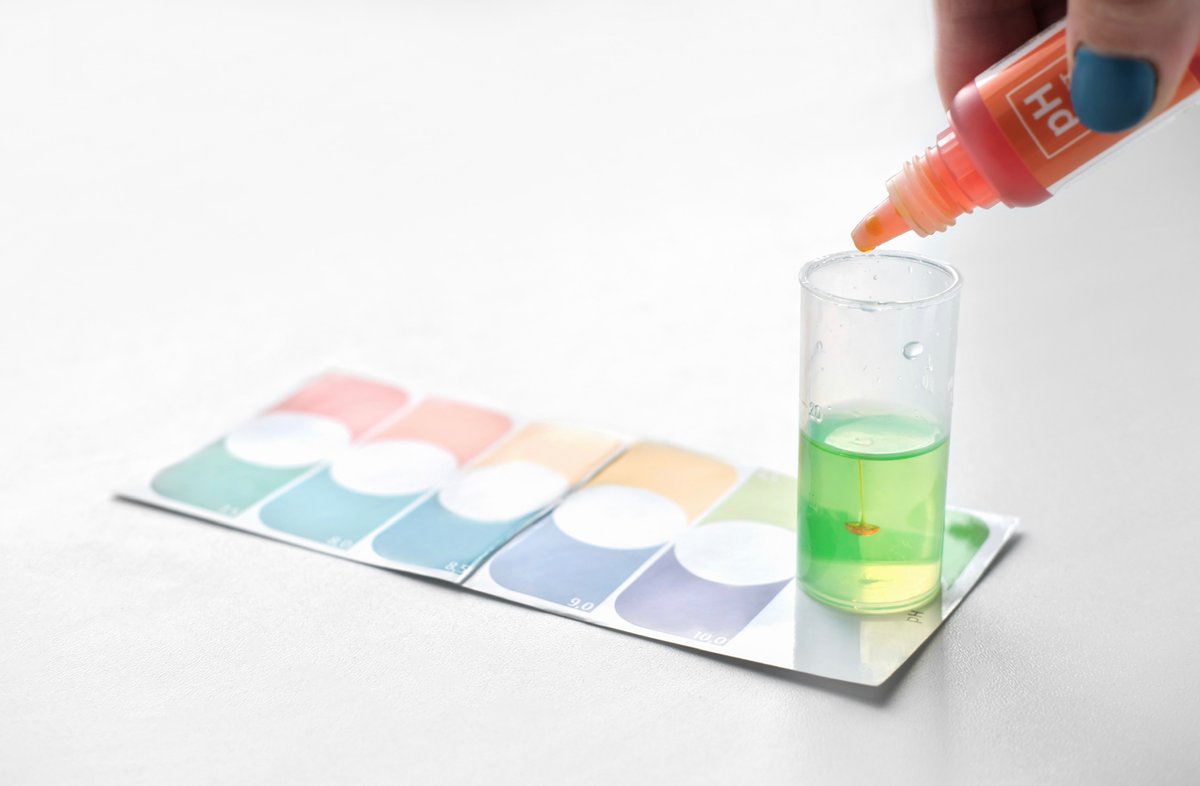
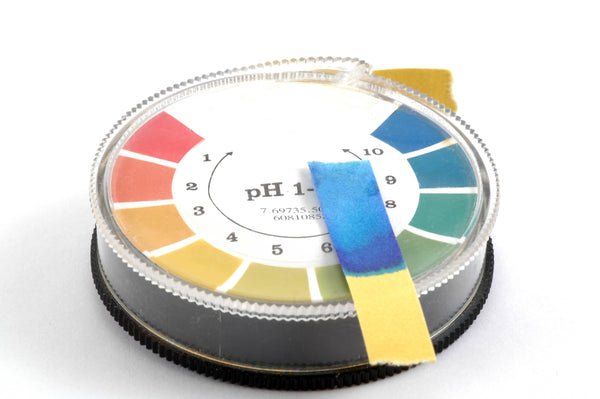
There are various ways that you can choose to measure the pH and EC/PPM, which range from an electronic meter (which I personally recommend) to test strips or a drop test kit. You can purchase a pH meter and an EC/PPM meter separately, or you can get pH and EC/PPM meters combined in one. When you have checked your pH and EC/PPM levels, ensure you record the measurements in your log, and put the date of this too.
The pH level of your nutrient solution should be between 5.5 and 6.5, ideally around 6. You can adjust the pH level with pH up and pH down solutions to get it to the right level.
You also need to measure your nutrient solution EC/PPM level, and you should add nutrients when this drops below a level. You can measure EC with an EC meter and PPM with a PPM or TDS (total dissolved solids) meter. I personally prefer to use EC values to measure the nutrient levels in a hydroponic reservoir, even though many hydroponic growers in the US tend to favour PPM as the unit to measure nutrient levels. That's because there is more than one way to convert EC to PPM.
There are two scales for measuring PPM: PPM 500 and PPM 700. The PPM 700 scale is based on measuring the KCl or potassium chloride content of a solution. The PPM 500 is based on measuring the NaCl or sodium chloride content of a solution. The PPM 500 scale is also referred to as total dissolved solids or TDS. You can convert EC to PPM by multiplying EC by 500 for the PPM 500 scale and by 700 for the PPM 700 scale. With that said, for convenience, it's best to use the same scale that the manufacturer of your nutrient solution uses. If you're going to use PPM, make sure your meter is set to that scale.
An EC/PPM meter will tell you the electrical conductivity of the nutrient solution. This gives you an approximate idea as to how saturated with nutrients your nutrient solution is. But an EC/PPM meter cannot tell you the quantities of each nutrient in the solution. EC is measured in Siemens (S) per unit area, usually centimetres or metres. For most plants grown hydroponically, the ideal range of EC is between 1.5 and 2.5 milliSiemens/centimetre (mS/cm) or 1500-2500 microSiemens/centimetre (μS/cm). Milli- is the metric system denoting a factor of one-thousandth, and micro- is one-millionth, so 1 milliSiemens (mS) equals 1000 microSiemens (μS). A higher EC could prevent plants from absorbing nutrients due to increased (more negative) osmotic pressure, and EC levels that are too low could adversely impact yield.
Type in what your meter says and pick which scale it uses. If you don't know, look on the back of the meter or in its manual: most European meters use the 500 scale, most Australian and some American ones the 700 scale.
| EC (mS/cm) | 1.20 |
| ppm, 500 scale (TDS / Hanna) | 600 |
| ppm, 700 scale (Truncheon / Eutech) | 840 |
Target ranges are for a settled reservoir with plants past the seedling stage. Seedlings and cuttings want about half the bottom figure. When in doubt, go weaker: you can always add nutrient, but you can't take it out.
If the number is right but the plants still look wrong, it's probably pH. Start with nutrient deficiencies.
The Best Practices for Hydroponic Nutrient Monitoring
Every time you monitor your EC and pH, write it down. Here is a sample chart for a hydroponic log.
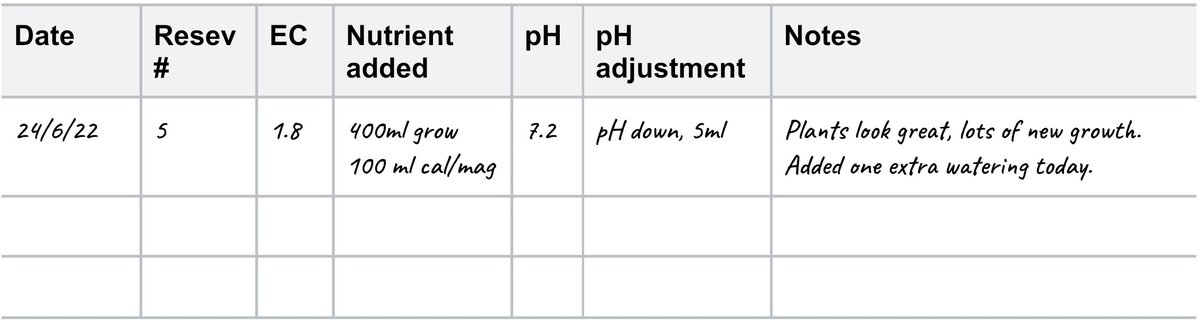
- The "Reservoir #" box can be eliminated if you only have one reservoir. If you have more than one, give each one a number
- Record the EC after you top up the reservoir with fresh water but before you add more nutrients
- Record the pH after you top up the reservoir and add more nutrients. Stir very well before checking the pH
- Write down exactly how much nutrient you added and how much pH adjuster you added
- Write down any notes such as how the plants look, if anything went wrong like over or underwatering, if you put in any supplements or enhancers etc.
- At least once a month dump out and clean the reservoir and start with a fresh nutrient solution
- You can put an extra column in for "temperature" if you are concerned about your nutrient solution being too hot or too cold
- I also like to record the weather or any other factors that could be impacting your plants
It's extremely important to monitor the nutrient solution. In hydroponics, the nutrients are the easiest thing to get wrong. If you have proper notes, you can learn what you are doing right, and why things are going wrong.
Feel free to make charts for harvest or anything else you want to keep track of. Keeping notes gets rid of the guesswork.
6 Pro Tips for Hydroponic Growers
You may understand how hydroponic nutrients work, but in this section I'll share some special growers' secrets.
Secret 1: Don't Water at Night
Plants only grow when there is light. At night they just sit there. I like to think they are sleeping at night. If their roots are sitting in nutrient solution, they will rot. If you are using an ebb and flow system, don't let it water at night. I would even turn off an NFT system 30 minutes or so after sunset and turn it back on before sunrise. You can put it on a timer so this happens automatically, just remember to change it as the days get longer or shorter. However, if you have really, really hot nights and you notice the plants are drooping, you could give them a short night-time watering.
Secret 2: Monitor Your Nutrient Solution
Depending on the size of your reservoir and plants, you should check your nutrient solution every day. With a big reservoir and slow-growing plants or seedlings, you could probably check it every other day. But plants like consistency. They don't like big swings from low nutrients to high nutrients. It's better to add a little nutrient every day than to shock them with a big dose of nutrients once a week.
Secret 3: Change the EC Depending on the Weather and Season
When you have plants that are big and growing fast, they are uptaking nutrient solution quickly. If it's midsummer and you are gardening outdoors, you may be watering them more frequently than you would be in spring or autumn. When the plants are uptaking a lot of nutrient solution, make it a little weaker. If it is cooler and you are only watering the plants a few times a day, put more nutrients in the solution. When they are receiving fewer waterings, hydroponic plants have fewer opportunities to suck up nutrients so you can give them more.
Secret 4: Write Everything Down
I can't emphasise this enough. Get a notebook and keep the log set out above. Two extras are worth a column of their own: the light hours, if you are growing indoors rather than out, and how much water the plants are uptaking.
Secret 5: Give Your Plants All the Nutrients
Plants may be able to grow for a while without certain nutrients but they won't thrive. Some growers will tell you their plants are growing fine without calcium. They're not. Eventually you will see the signs of nutrient deficiency.
Secret 6: Don't Overdo It
Hydrogen peroxide, rinsing the roots, adding this and that will only hurt your plants. Plants like consistency. With a good, clean nutrient solution and proper watering, you will not need to fool around with the plants much. Instead of adding a bunch of new things to the nutrient solution to try to combat problems, look at your notes (secret 4), see what's changed, and go back to the basics of not overwatering or underwatering, using the proper amount of nutrients, and cleanliness.
One email a month from me, Charlie. What is new on the site, one grower’s question answered properly, and the latest video. No spam, no selling.


I’m Charlie, co-founder of Everything Hydroponics. I’ve completed an official qualification in hydroponic cultivation, I run the Everything Hydroponics YouTube channel, and I’ve advised and taught many new and existing growers. I’m a teacher at heart, so what you read here is backed up by peer reviewed research and presented in a digestible way. Most of my growing time now goes on chillies. More about Charlie
You might like these
Hydroponic Fertiliser Explained
What is hydroponic fertiliser? Whether plants grow in soil or in hydroponics they need nutrients, and hydroponic plants depend on fertiliser entirely.
Hydroponic Growing Medium Explained
Plants grown hydroponically will need something to support their roots and facilitate nutrient uptake. This is called hydroponic growing medium.
Is Flushing Before Harvest Necessary?
Flushing a hydroponic system is the act of running nutrient free water through the system. The question is, should you do this before harvesting?