Hydroponic Fertiliser Explained
- Home
- Hydroponic Nutrients
- Fertiliser

What is Hydroponic Fertiliser?
Regardless of whether plants grow in soil or in hydroponics, they need nutrients to grow. In hydroponics, however, plants are entirely dependent on nutrients supplied by hydroponic fertilisers.
Nutrients can be divided into 2 groups: macronutrients and micronutrients. Macronutrients are the ones that plants need relatively large amounts of, and these include nitrogen (N), phosphorus (P) and potassium (K). Nitrogen is essential for photosynthesis and amino acid production. Phosphorus is required for growth and other functions, including photosynthesis and energy transfer. Potassium is used for root growth and photosynthesis.
Plants also need small amounts of micronutrients, such as magnesium, calcium, sulphur, manganese, iron, boron, and molybdenum. Most plants should have their nutrient needs met by a good hydroponic fertiliser.
Usually on hydroponic fertilisers you will see these key figures shown on the side to indicate how much of each of the macronutrients is in there. This is called N-P-K ratio, and it represents how much of each nutrient the fertiliser contains. For example, a fertiliser with an N-P-K ratio of 5-5-5 will have 5% nitrogen, 5% phosphorus, and 5% potassium.
You can purchase liquid or dry hydroponic fertilisers, and both have their advantages and disadvantages. With a liquid hydroponic fertiliser, you can mix it into water to create a nutrient solution for your hydroponic plants. Hydroponic fertilisers in liquid form are already pre-dissolved, so you don't have to vigorously mix them. Liquid hydroponic fertiliser is usually more expensive because it weighs more than the powdered kind, which is lighter. If you're just starting with hydroponics, liquid fertiliser may meet your needs, whereas commercial farmers tend to use the dry version. With a dry hydroponic fertiliser, you just need to mix it with water.
Multi-part fertilisers tend to be better than one-part fertilisers. Most fertilisers contain N-P-K mix, and depending on what plants you are growing, you will require different formulas for these. You would need a different fertiliser for lettuce to what you would need for strawberries, for example. Fertiliser for strawberries has a lot of nitrogen and boron to make the berries grow swiftly. You can purchase fertiliser made specifically for different plants.
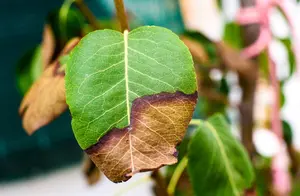
If you have given your hydroponic plants too much fertiliser, soluble salts may accumulate, and your plants may wilt, go dark green, or have leaves that look burned, and roots could die. Some signs of high salt concentration include browning of the leaf tips, reduced growth, aborting of lower leaves, dead root tips, and wilting when it's at excessive levels. You can get rid of excess salts by flushing your system.
If you haven't fertilised your plants enough, they may have nutrient deficiencies (mainly nitrogen), and as a result, the leaves can become very pale green and the plants won't grow well. They may also wilt, die, or look yellow. This can be easily resolved by adding more fertiliser to the nutrient solution.
You can measure your nutrient solution for its electroconductivity (EC) level, and you should add nutrients when this drops below a certain level. EC is measured in Siemens (S) per metre (m). For most plants grown hydroponically, the ideal range of EC is between 1.5 and 2.5 deciSiemens/metre (dS/m). Deci- is the metric system denoting a factor of one tenth, so a deciSiemens is 0.1 Siemens. A higher EC could prevent plants from absorbing nutrients due to increased (more negative) osmotic pressure, and EC levels that are too low could adversely impact yield.
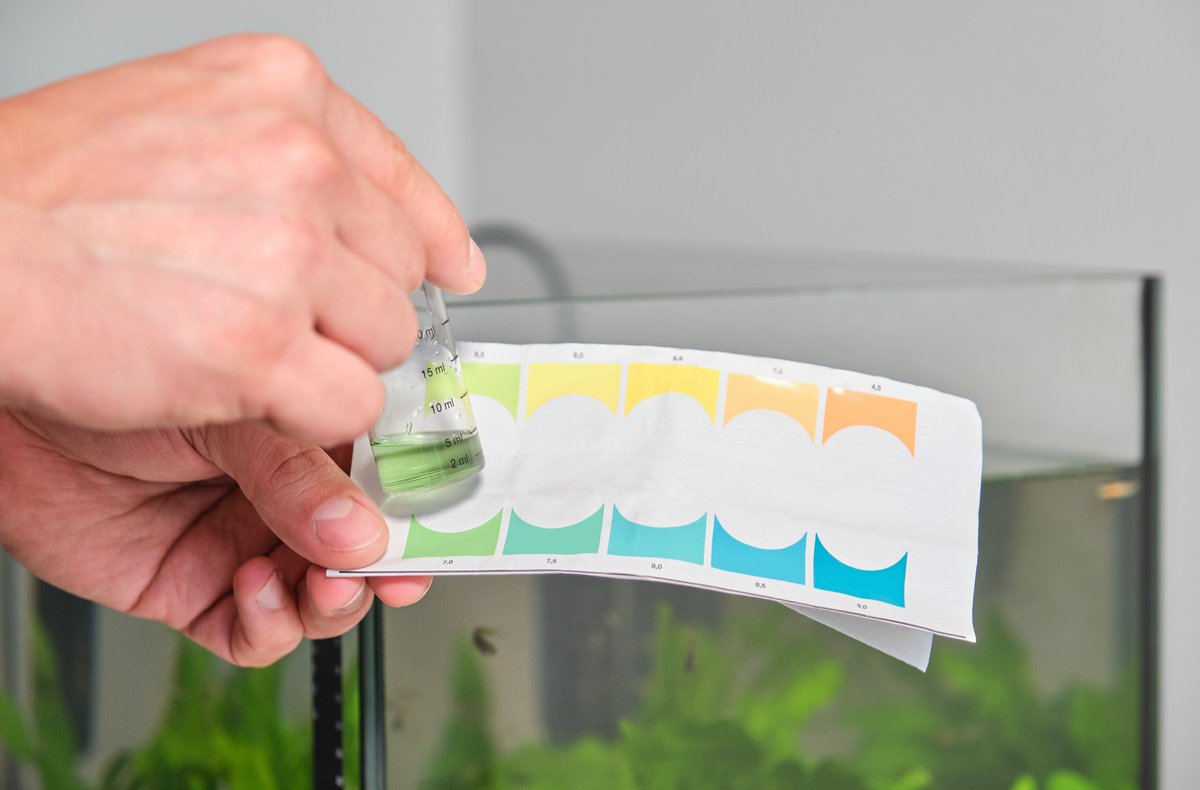
Measuring the pH level is important too because this shows whether plants are able to use the nutrients in the solution, so check the pH at least once or twice a day. You can purchase a pH pen, or sometimes you can get EC and pH pens combined in one. pH range should be between 5.5 and 6.5 and ideally around 6 for most plants. You can adjust the pH with pH up or pH down solution.
It's not a good idea to use a soil fertiliser for hydroponic plants because their needs are completely different. In hydroponics, fertilisers give 100% of the nutrients to the plants. In soil, you use fertilisers occasionally and they have a slow release of the nutrients, whereas in hydroponics the plants need nutrients immediately.
One email a month from me, Charlie. What is new on the site, one grower’s question answered properly, and the latest video. No spam, no selling.


I’m Charlie, co-founder of Everything Hydroponics. I’ve completed an official qualification in hydroponic cultivation, I run the Everything Hydroponics YouTube channel, and I’ve advised and taught many new and existing growers. I’m a teacher at heart, so what you read here is backed up by peer reviewed research and presented in a digestible way. Most of my growing time now goes on chillies. More about Charlie
You might like these
Hydroponic Growing Medium Explained
Plants grown hydroponically will need something to support their roots and facilitate nutrient uptake. This is called hydroponic growing medium.
Is Flushing Before Harvest Necessary?
Flushing a hydroponic system is the act of running nutrient free water through the system. The question is, should you do this before harvesting?
Nutrient Deficiencies in Hydroponics
While rare in hydroponics if using reliable nutrient brands, nutrient deficiencies can still occur. If and when they do it can be an issue for your crop.