Best Ways to Power a Hydroponic System
- Home
- Grow Rooms & Tents
- Powering Systems
What are The Best Ways to Power a Hydroponic System?
If you're looking to start a hydroponic garden, you probably already know it will likely need power to run pumps, grow lights, and other things, like fans, AC, a heater, and so on. If you have electricity in a place you're going to build your hydroponic system, then this is absolutely not a problem. But what if you don't? In case you're wondering whether you can run a hydroponic system if you don't have access to electricity, then the good news is that you absolutely can. In this guide, I'll cover various ways to power your hydroponic system as well as how you could run a hydroponic system without electricity. So, without further ado, let's take a look at best ways to power a hydroponic system.
Different Ways to Power a Hydroponic System
Speaking of best ways to power a hydroponic system, the definition of "best" would depend on your circumstances. As mentioned previously, if you're going to build your hydroponic system in a place that has electricity, this would probably be the easiest and most convenient way to power your hydroponic system. However, this is not always possible, of course. But that doesn't mean you can't run a hydroponic system. Let's take a look at different ways to power your hydroponic system if you don't have access to electricity.
Solar-Powered Hydroponic Systems
You can get solar-powered water pumps for your hydroponic system. They look and work the same as normal water pumps, but they connect to a solar panel, which powers them, instead of a power socket. They are not difficult to install, but they are more expensive than regular pumps, mainly due to the fact that they come with a solar panel (a decent solar-powered pump will cost you around £150-200). However, it is still cheaper than connecting electricity, plus you won't have to pay bills every month.
But what about lighting? Well, you could set up your hydroponic system in a greenhouse. Your plants will get lots of lovely sunlight, and you wouldn't need grow lights. Or you could set up your system near a window, but your plants might not get enough light that way. Alternatively, you could get solar-powered grow lights. Just like solar-powered pumps, they are powered by a solar panel. Again, they are more expensive than normal grow lights. A 100W solar-powered LED light typically costs around £100, and a 400W light costs around £300. However, they are equivalent to 200W and 800W HPS or MH grow lights respectively (because they are LED, not because they are solar-powered, of course).
Passive Hydroponic Systems
Passive hydroponic systems do not require pumps to run, and these include Kratky and wick systems. While they don't need pumps, they still need light. Again, you could set up your system in a greenhouse or near a window, or you could get solar-powered grow lights. While you probably won't grow a huge number of plants this way, it's still a nice and really budget-friendly way to grow fresh vegetables, fruits, and herbs.
Power Generator
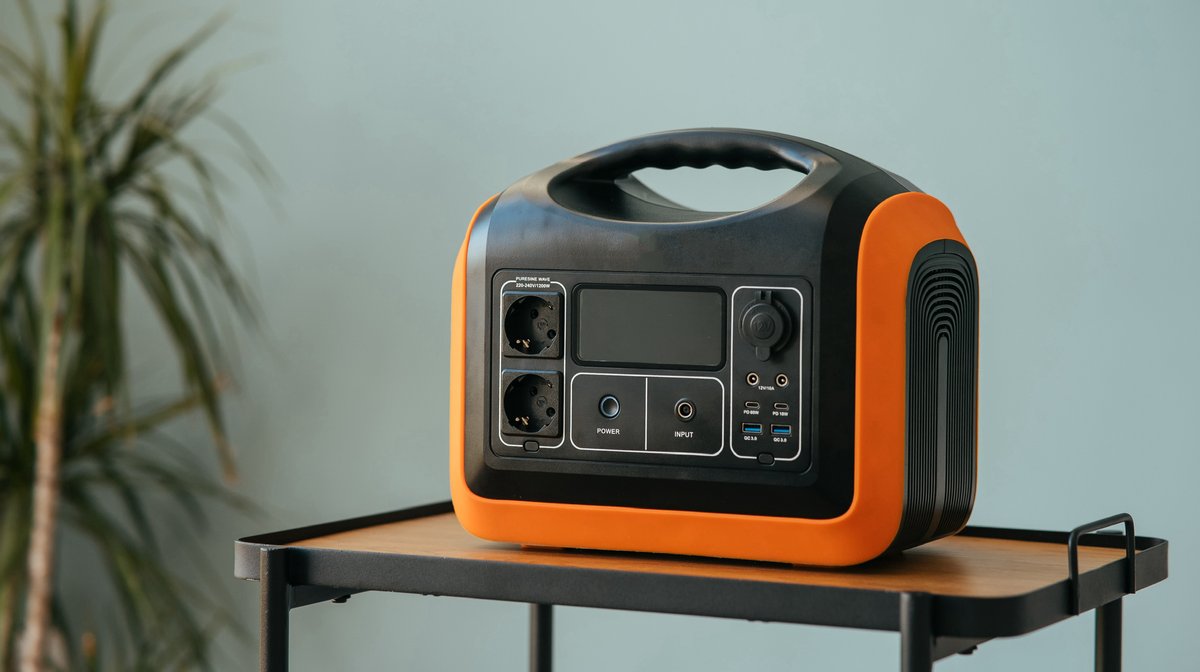
Power generators are often used in commercial hydroponic operations as a backup in case power goes out. You could power a hydroponic system using a generator; however, it's probably not the most practical or sensible choice for most people. Depending on the power requirements of your electrical devices (pumps, grow lights, fans, AC, heaters, and so on), you will likely not need a whole house generator and can get away with using a portable generator. Make sure its power output is at least 25% greater than your peak power requirements.
Generators can run on petrol, diesel, natural gas, hydrogen, and even solar power, but petrol generators are perhaps the most common type. Inverter generators are more efficient, but they are more expensive and often have lower power output. Rather than running at a constant speed, they automatically adjust the engine speed to meet the electrical demands, which helps reduce noise and fuel consumption. They can also store energy, which could be a nice feature if you don't run the generator all the time.
Conclusion
As mentioned previously, "best" way to power a hydroponic system will depend on your circumstances. The easiest and most convenient way would be having a power socket in a place where you plan to build your hydroponic system. However, if you don't have electricity, that doesn't mean you can't run a hydroponic system. You can get solar-powered pumps and grow lights and set up your system practically anywhere. You could run a passive hydroponic system, such as a wick or a Kratky system, which doesn't require pumps. To provide your plants with light, you could set up your hydroponic system in a greenhouse or near a window if you don't have access to electricity. If you really want to, you could power your system using a power generator; however, this is probably not the most practical or sensible choice for most people. Regardless of the way you choose to power your hydroponic system, you will get lots of lovely, fresh produce that you can grow year round, and it's definitely worth trying if you haven't already!
One email a month from me, Charlie. What is new on the site, one grower’s question answered properly, and the latest video. No spam, no selling.


I’m Charlie, co-founder of Everything Hydroponics. I’ve completed an official qualification in hydroponic cultivation, I run the Everything Hydroponics YouTube channel, and I’ve advised and taught many new and existing growers. I’m a teacher at heart, so what you read here is backed up by peer reviewed research and presented in a digestible way. Most of my growing time now goes on chillies. More about Charlie
You might like these
Setting Up a Grow Room - A Step-by-Step Guide
When setting up a grow room there are a number of variables to consider. Follow this step by step guide on setting up a grow room for the best results.
Grow Room Ventilation Explained
When setting up a grow room it is very important that you have good grow room ventilation. Here is everything you need to know.
Adding CO2 to a Grow Tent and CO2 Management
CO2 only helps once light, heat, nutrients and water are already right. What level to aim for, and why a burner is wrong for a small tent.