Hydroponic Nutrients Guide for Beginners
- Home
- Hydroponic Nutrients
- Nutrients Guide
An Easy Guide to Hydroponic Nutrients
It can sometimes be complicated trying to understand what's going on, but following a hydroponic nutrients guide makes it much simpler!
Hydroponic plant food is called nutrients. Nutrients generally come prepackaged, and are a complete food source for hydroponic plants growing in water. Some companies sell dry nutrients in which case you have to add water, and some sell them premixed as a liquid. Both are concentrated, so you add a measured amount to the irrigation water for the plants. The manufacturer should always give directions for the proper amount.
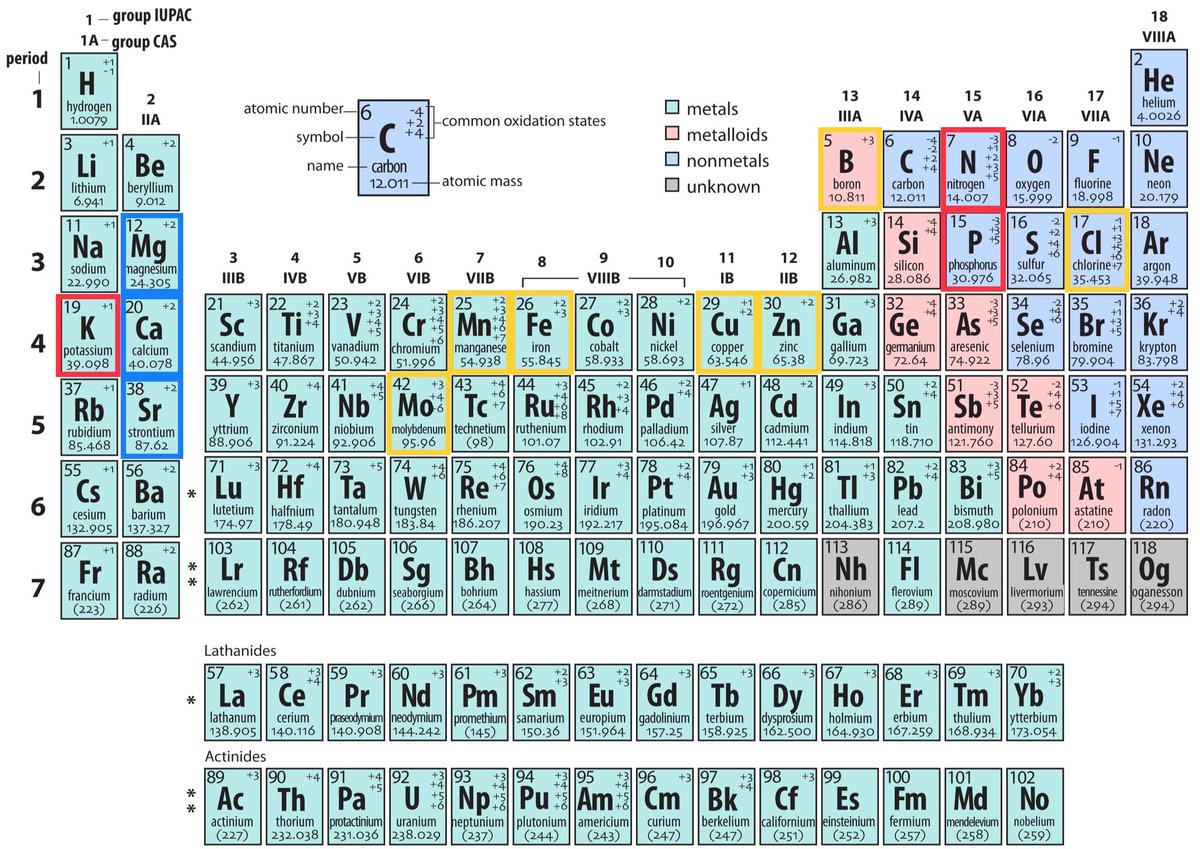
The three main nutrients plants need the most of are called macronutrients. The macronutrients are nitrogen, phosphorus and potassium, commonly called N-P-K. While the plants are growing vigorously in a vegetative state, they use a huge amount of nitrogen. Later in their development they use more phosphorus, which contributes to bigger fruit and flowers. Potassium helps the plant's overall health and quality.
Secondary nutrients are calcium, magnesium and sulphur. Calcium precipitates out of solution when it comes in contact with liquid phosphates or sulphates, so it is usually sold separately as a bottle of calcium/magnesium. In dry nutrients you may find the cal/mag is already incorporated in the mix.
Finally, plants need a variety of micronutrients. These include boron, chlorine, copper, iron, manganese, molybdenum and zinc. The plants only use a small amount of these, but if any of them are missing, your plants will start to look weird. Some signs of micronutrient deficiencies are stunted or twisted growth, leaf tip burn, and bright green veins on yellow leaves.
When you start shopping for nutrients, you will find literally hundreds of choices. Every company makes the claim that their product is best for your plants. It's almost impossible to figure out where to start. As a general guide to hydroponic nutrients, you only need to pay attention to a few things.
- Does it contain the three macronutrients? You must have nitrogen, potassium and phosphorus to grow plants.
- Are the micronutrients included in the mix or do you need to buy them separately? It is always easier to buy a complete nutrient mix that includes the micronutrients. It is very inconvenient to buy a bottle of micronutrients and try to mix in the right amount at every feeding.
- Where are the calcium and magnesium? Check to see if they are included. If not, it is fine to buy this separately; it's really no trouble to add to your irrigation water. But it's very important that you check for these. These ingredients are crucial for plant growth.
You will also find every kind of additive such as root enhancers, uptake enhancers, supplements, kickstarters, amino acids, seaweed extract, etc. These are absolutely not necessary but can be fun to try and play around with if you have the inclination and money.
Dry nutrients are often less expensive because they haven't been shipped with all the water weight, but you must be very careful when mixing them to get the proper concentration. They have to be completely dissolved before feeding them to your plants because plant roots can't uptake solids. Liquid nutrient concentrate is a great choice for beginner growers because it comes ready to add to the water the plants are in.
Finally, you will notice that some nutrient mixes are called "grow" and some "bloom". This determines when you will feed them to your plants: during the stage where they are putting on leaf mass, or the stage where they are fruiting and flowering.
Hydroponic nutrients really aren't that complicated once you know what you are looking for. And when they have the proper food, plants grown in water will flourish.
One email a month from me, Charlie. What is new on the site, one grower’s question answered properly, and the latest video. No spam, no selling.


I’m Charlie, co-founder of Everything Hydroponics. I’ve completed an official qualification in hydroponic cultivation, I run the Everything Hydroponics YouTube channel, and I’ve advised and taught many new and existing growers. I’m a teacher at heart, so what you read here is backed up by peer reviewed research and presented in a digestible way. Most of my growing time now goes on chillies. More about Charlie
You might like these
Hydroponic Fertiliser Explained
What is hydroponic fertiliser? Whether plants grow in soil or in hydroponics they need nutrients, and hydroponic plants depend on fertiliser entirely.
Hydroponic Growing Medium Explained
Plants grown hydroponically will need something to support their roots and facilitate nutrient uptake. This is called hydroponic growing medium.
Is Flushing Before Harvest Necessary?
Flushing a hydroponic system is the act of running nutrient free water through the system. The question is, should you do this before harvesting?