Hydroponics FAQs - Your Questions Answered
- Home
- Hydroponics Basics
- Hydroponics FAQs
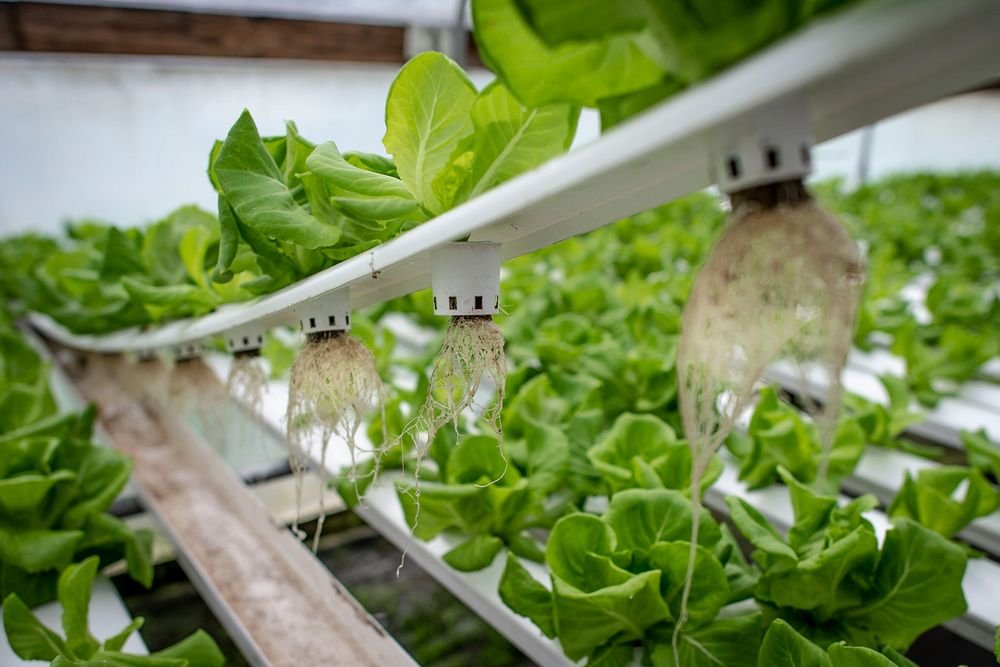
Common Hydroponics Questions and Answers
What does hydroponic mean?
Hydroponics is when plants are grown in any medium that is not soil. The plant remains upright in materials like expanded clay balls or perlite, and receives water mixed with nutrients at regular intervals.
Can I use any fertiliser in my hydroponic system?
No. Hydroponic nutrients are especially formulated to give a complete feeding to plants that are not in soil. Commercial fertilisers like Miracle-Gro won't work, though used nutrient solution can be applied to soil plants.
What hydroponic system is the best?
The hydroponic system that is the best is the one that works for you, depending on your space constraints and growing goals.
Can you grow anything with hydroponics?
Yes, any plant that grows in soil could theoretically grow hydroponically. Most growers focus on herbs, annual vegetables (tomatoes, cucumbers, peppers), and leafy greens, as trees would be impractical.
What are hydroponic nutrients?
Hydroponic nutrients are all the food a plant needs to live. They include macro nutrients, secondary nutrients, and micro nutrients in a complete diet.
Are hydroponics sustainable?
Yes. Hydroponics uses less water than conventional farming by containing water in reservoirs rather than losing it to evaporation or soil absorption.
Do I need an EC meter? pH meter?
Yes, both are necessary. The EC meter is far more important for monitoring nutrient levels. pH remains relatively stable with proper nutrient additions and regular reservoir changes.
Can hydroponics only be grown indoors?
No. Plants can grow hydroponically anywhere, and outdoor growth often produces better results with natural sunlight.
What is hydroponics with fish all about?
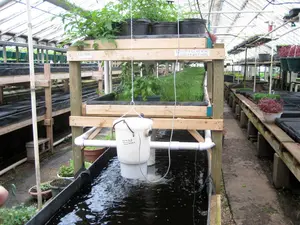
This system is called aquaponics, where fish waste water feeds and waters the plants, eliminating the need to purchase nutrients while requiring fish care.
Does produce grown in soil taste better than hydroponic produce?
No. The perception stems from commercially grown tomatoes being picked early, often when still green, for shipping durability, not from hydroponic growing methods.
Will hydroponic nutrients kill fish?
Yes. Do not put nutrients into your fish water.
Can hydroponic nutrients be used in soil?
Yes. Used nutrient solution should be applied to gardens or houseplants when refreshing reservoirs, though hydroponic nutrients cost more than soil fertilisers.
Can you transplant hydroponic plants to soil?
Sometimes, but be aware that it is very shocking to the plant to suddenly change from hydro to soil. Older plants take longer to adapt, and some may not survive the transition.
When should I harvest hydroponic lettuce?
You can harvest it leaf by leaf as soon as the leaves are big enough to eat, or wait until it forms a nice head and then pull the whole thing.
When should I transplant my hydroponic seedlings?
Seedlings require at least one set of true leaves, and a good looking root system before transplanting.
Can hydroponics be organic?
Yes, with additional effort. Look for certified organic symbols on nutrient labels.
Which hydroponic nutrients should I use?
Select a complete nutrient formula rather than just additives. Calcium/magnesium is usually sold separately and is essential for plant health.
Do I need additives/enhancers?
No, though they can be used experimentally if plants are already thriving.
Do hydroponics grow faster?
Yes, hydroponic plants generally grow faster due to precise nutrient and water delivery, though poor monitoring can cause problems.
How do I start growing with hydroponics?
Four essentials are needed: a support system, meters (EC and pH), complete nutrients, and seeds or plants. You won't figure out hydroponics all at once, so experimentation and persistence are crucial.
One email a month from me, Charlie. What is new on the site, one grower’s question answered properly, and the latest video. No spam, no selling.


I’m Charlie, co-founder of Everything Hydroponics. I’ve completed an official qualification in hydroponic cultivation, I run the Everything Hydroponics YouTube channel, and I’ve advised and taught many new and existing growers. I’m a teacher at heart, so what you read here is backed up by peer reviewed research and presented in a digestible way. Most of my growing time now goes on chillies. More about Charlie
You might like these
Hydroponic Systems' Running Costs
Hydroponic systems running costs are an important factor to consider when setting up a hydroponic system.
Hydroponic Setup Costs and Advice
Looking to start a hydroponic setup? You'll need to consider hydroponic setup costs when deciding which configuration will work best for you.
What is The Difference Between Hydroponics and Aquaponics?
There are many categories of system within the hydroponic family, one of which is aquaponics. But what is the difference between hydroponics and aquaponics?