Grow Light Setup for Seedlings
- Home
- Grow Lights
- Seedling Lights
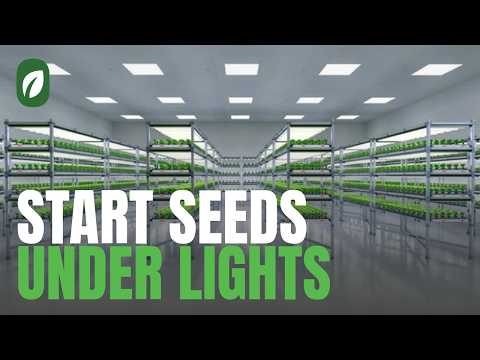
Creating the Perfect Grow Light Setup for Your Seedlings
Choosing the right grow light setup for seedlings can be a complicated subject, but it doesn't have to be. In this guide I will cover everything you need to know in order to choose the right grow light setup for seedlings.
You're probably wondering whether you can grow seedlings without grow lights. The short answer is maybe, but having a grow light setup for seedlings will dramatically improve germination rate, and your seedlings will be much stronger and healthier. You can try growing seedlings on a windowsill; however, most homes don't have enough natural light for seedlings. Trying to start seeds without grow lights will most likely result in disappointment as well as wasted time and money.
Having adequate lighting is key for growing seedlings successfully. If you start plants from seed indoors without artificial lighting, a big south-facing window is about the best you can do, and it works after a fashion. Seedlings raised that way tend to come out thin and leggy, especially compared to the ones you'd find in a garden centre, and at least half of the seeds may not sprout at all. It gets worse with plants that want more light than a windowsill can give them. A grow light setup for seedlings makes a striking difference. Almost all of your seeds will start sprouting, the seedlings become much stronger and healthier, and they have no problem surviving the transition to hydroponics, containers, and even an in-ground garden.
Clearly, to grow strong and healthy seedlings you need to provide proper lighting for them right from the start. Getting a proper grow light setup for seedlings has lots of benefits that will be covered below.
Benefits of Having a Grow Light Setup for Seedlings
- More seedlings will sprout: If you have a proper grow light setup for seedlings, more seeds will sprout, so you can save some money by not having to plant extras to make up for some seeds not sprouting or growing weak.
- Stronger and healthier seedlings: Your seedlings will be much stronger and healthier and will have an easier time surviving the transition to hydroponics or a traditional garden.
- Proper lighting helps prevent legginess: When seedlings don't get enough light, they will try to reach for the sun and will become leggy. While they may look taller, they become thin and weak because of that. Having a proper grow light setup for seedlings is the only way to prevent legginess.
- Grow seeds in a convenient place: If you have a grow light setup for seedlings, you can grow them in a place that's convenient for you and won't be limited to a windowsill.
- Grow seedlings easier: Having a grow light setup for seedlings will make your life much easier. You can put your grow lights on a timer, so you won't have to worry about whether your seedlings are getting enough light.
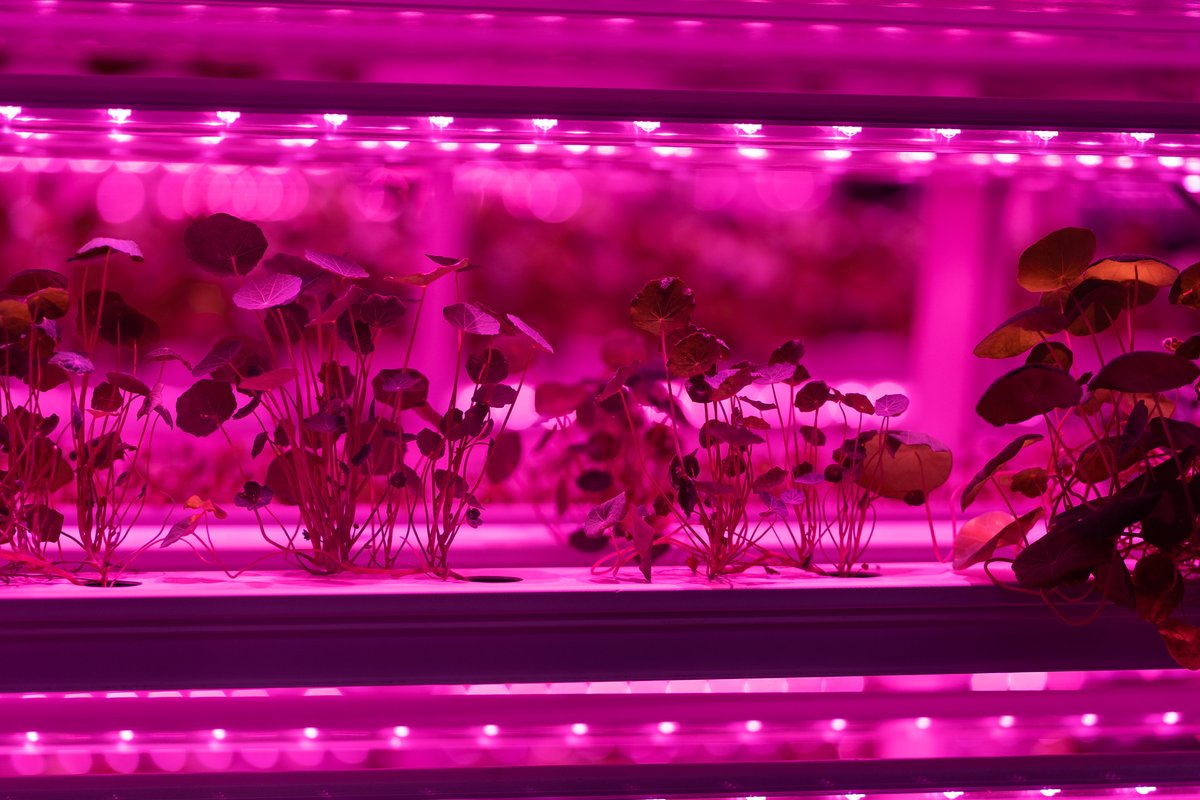
How to Choose a Grow Light Setup for Seedlings
You would typically use fluorescent or LED grow lights for starting seeds. MH and HPS lights produce lots of heat and can burn seedlings. Fluorescent grow lights are cheaper than LEDs; however, LED grow lights have lots of benefits over fluorescent grow lights.
LED grow lights are more energy-efficient and produce more lumens per watt, so a compact LED grow light can produce more light than a bulky fluorescent light. They also have a longer lifespan than other types of grow lights and don't lose effectiveness over time. Full-spectrum or RGB LED grow lights are more versatile because they can produce any colour of light, so you can use them to grow plants from seed to harvest. Fluorescent lights are good for starting seeds and growing lettuce, salad greens, and flowers.
Seedlings need cool white/blue light to grow. Having full-spectrum grow lights is ideal for growing seedlings indoors because they can produce light that mimics natural sunlight. Fluorescent lights produce cool white/blue light, and they work well for starting seeds too.
If you get a grow light setup for seedlings, you shouldn't leave the lights on all day long. Seedlings need 14-16 hours of light per day, so you should have your lights on a timer for convenience. Some people grow seedlings with 12 hours of light daily, but that's usually not enough. You can try that, but you should monitor your seedlings closely in this case. If they start getting tall and growing sideways, you should add 2 more hours of light per day.
How high you should have your grow lights above your seedlings depends on the type of lights you have. I'd suggest following the height recommendations provided by the light manufacturer. However, if that information isn't provided, fluorescent grow lights should be kept 2-3 inches (5-7.5 cm) above seedlings, and LED grow lights should be at least a foot (30 cm) above. You'll need to move your grow lights away from the seedlings as they grow.
One email a month from me, Charlie. What is new on the site, one grower’s question answered properly, and the latest video. No spam, no selling.


I’m Charlie, co-founder of Everything Hydroponics. I’ve completed an official qualification in hydroponic cultivation, I run the Everything Hydroponics YouTube channel, and I’ve advised and taught many new and existing growers. I’m a teacher at heart, so what you read here is backed up by peer reviewed research and presented in a digestible way. Most of my growing time now goes on chillies. More about Charlie
You might like these
Do Hydroponic Plants Need Sunlight?
All plants require sunlight don't they? Do hydroponic plants need sunlight? How do they get sunlight if they are grown indoors? Read here for all the answers!
What is a Ceramic Metal Halide Grow Light?
There are a variety of different lights that are suitable for use in hydroponics, including metal halide lights. But what is a ceramic metal halide grow light?
Simple DIY Grow Light Shelves Project
Are you on a budget? Or perhaps you are just looking for a custom solution to your light shelf problems? DIY grow light shelves are a great option!