What is Integrated Pest Management?
An Overview of Integrated Pest Management
One of the greatest threats to the success of your hydroponic operation is insect pests. Often hard to see and confusing to identify, insect pests can multiply at a pace so rapid they can turn a beautiful growing system into a scraggly mess in no time. Look on the internet and you will find a myriad of ways to combat these voracious little monsters. In this guide I would like to talk about one thing that actually does work: integrated pest management. But what is integrated pest management? Broadly speaking it's an approach to pest management that combines multiple methods to reduce negative ecological impacts.
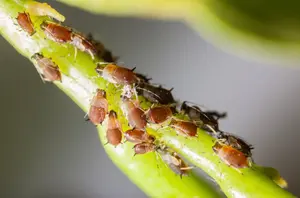
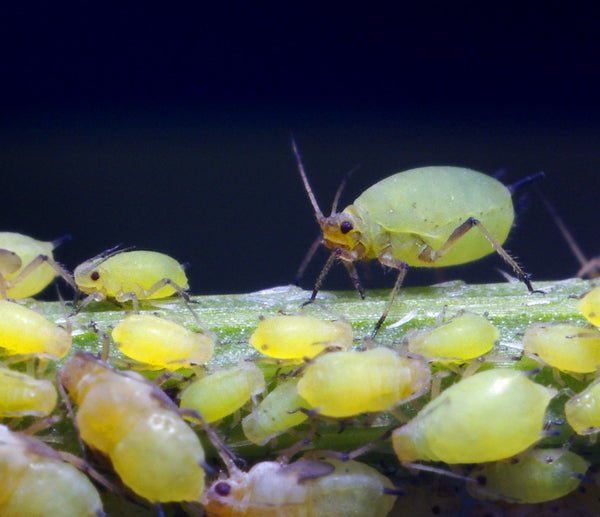
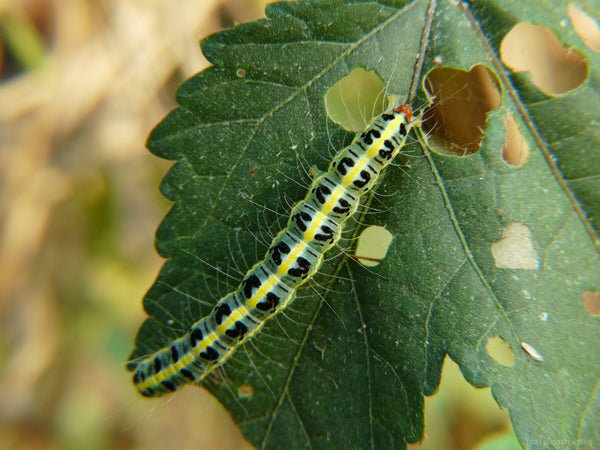
Insect pests are bugs that feed on the leaves, fruit or flowers of plants. Some common pests include aphids, thrips, whiteflies, spider mites, caterpillars and scale. The best way to get rid of these (and anything else you don't want on your plants) is to not get them in the first place. An ounce of prevention is worth a pound of cure (or is it a gram of prevention is worth a kilo of cure?) Either way, take care not to bring the pests to your plants.
If you are gardening outside, mowing the lawn or walking on a trail, change your clothes and shoes before going into your grow tent, greenhouse, or indoor growing room. Pests can cling to your clothes and then hop off as soon as they see other plants. Wash your hands and clippers/pruners when moving from one area to another. Inspect any plants you bring into your grow area before you bring them in, and if they have any pests, don't bring them in.
But oftentimes no matter how careful you are, insect pests do find your plants. If you look on the internet, you will find a million home remedies to get rid of them. Some common suggestions include making a spray of soap and hot pepper oil, hitting the plants with a jet of water, using insecticidal soaps or pesticides, or even covering your plant in a mixture of buttermilk, flour and water.
Do any of those sound like they will work? Probably not. The best way to get rid of pests on your plants is to bring in other bugs to eat them. This is called biological pest control and is a key part of integrated management! You buy beneficial bugs to eat the bad bugs. When you have a large enough group of predators (good bugs), they will go to work catching and eating the pests (bad bugs) just as nature intended. The most common example is ladybirds (ladybugs) eating aphids, although there are many lesser known predator insects out there too.
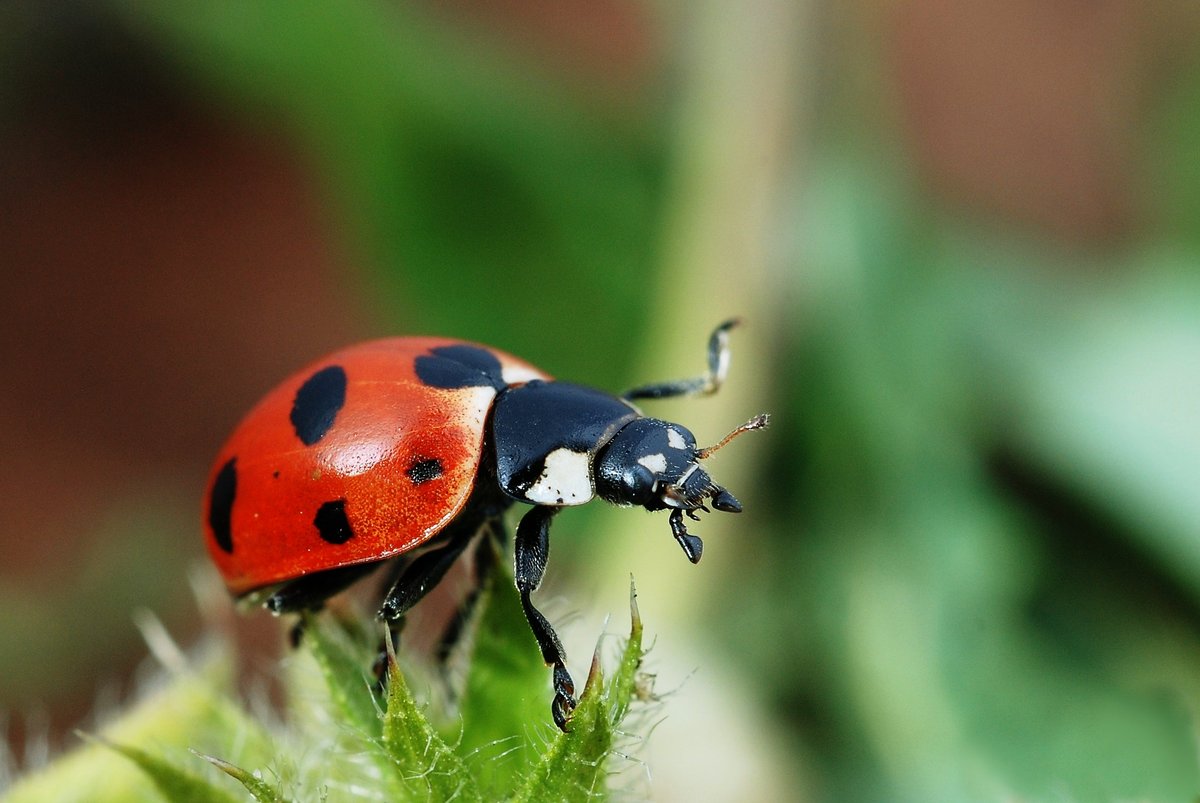
There are so many benefits to biological pest control. When done correctly, you have an army of hungry insects waiting for the pests to show up. You never need to spray your plants with insecticides or other sticky concoctions that get all over your produce. Beneficial insects continuously reproduce, so once you have a good base you rarely need to buy more. And most beneficials are tiny! You won't even see them on your plants. They are like invisible janitors, cleaning up your plants from the destruction of the pests.
Now that you know what integrated pest management is, read on for a deeper understanding of biological pest control.
Examples of Biological Pest Control
Integrated pest management (IPM) in agriculture is an easy way to keep your garden or grow room naturally free from pests. One key premise of IPM is having beneficial bugs (predators) eat the bad bugs (pests), also known as biological pest control.
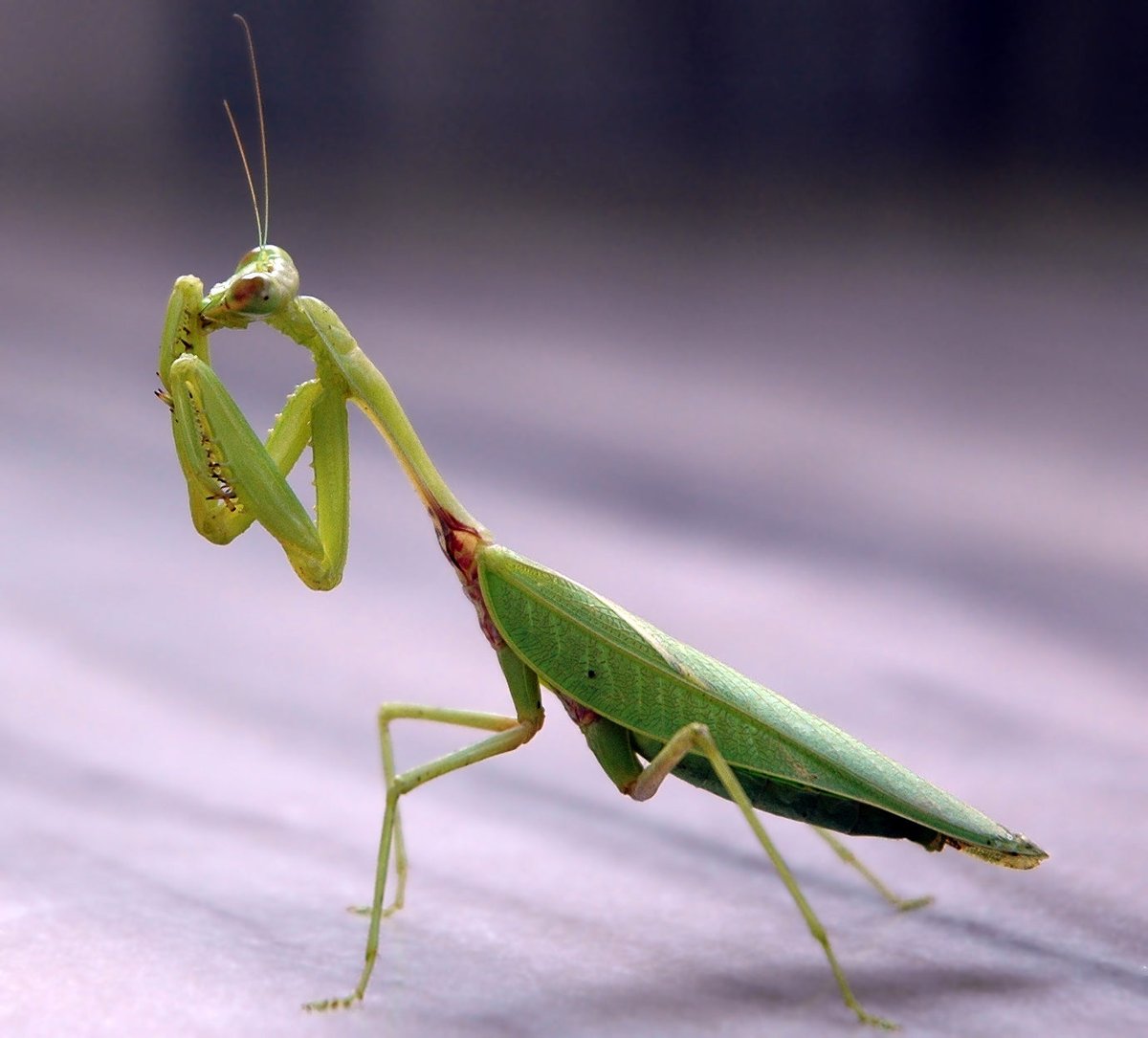
Examples of biological pest control include things you're probably already familiar with. Almost everyone knows that ladybirds eat aphids. Spiders come in all shapes and sizes and are the most amazing predators - they eat anything they can catch. Praying mantises will eat all kinds of pests, large and small. There are many more predators that specialise in almost every kind of pest. Some predators are tiny (like beneficial mites), and some fly (like pirate bugs and parasitic wasps). Sometimes the hungriest predators are the larval (baby) stage of the predators, so if you're using IPM be sure to know how to identify the beneficial insects in all their stages.
Here are some hints for successfully using biological pest control in agriculture.
Have predators waiting before you get pests
Don't wait until you get pests to buy beneficial insects. Predators work best when they are not overwhelmed with prey. Buy just a small number of ladybirds, beneficial mites, or another all around predator insect, or capture some from outside (like spiders) and put them in the grow room. You don't need too many, especially if you haven't seen any insect damage on your plants.
Protect your predators - Do not spray!
Predators can be more fragile than prey. If you spray your plants with any kind of pesticide or insecticidal soap, it will kill ALMOST all of the pests. It never kills all of them. But it will kill ALL of your beneficials. And the pests that are left will be somewhat resistant to the poison. They will come back stronger and faster than before, and there will be no predators left to eat them.
Buy predators at the first sign of pests
Don't wait until you are overwhelmed with pests. No predators will be effective if there are too many pests.
Be patient
Biological pest control is an organic system. Things don't happen immediately. If you have pest insects and then you release predators, it takes the predators a few days to get to work. If you panic and start spraying, you are killing the predators and your system will never work. You can help things along by cutting off infested leaves (put them carefully in a plastic bag and tie the bag shut), and removing pests you can see (like aphids and caterpillars). Don't just brush them off the plants. They will creep back on.
Buying and releasing predators:
Some beneficial insects like ladybirds and praying mantises are available at garden supply stores. More specialised beneficials can be ordered through the mail and should be shipped overnight. Release them as soon as possible after receiving them. They should come with release instructions. With hydroponics it is important not to let the predators fall into the water! Sprinkle them carefully on leaves or growing medium, not near the water. Ladybirds will really appreciate a drink of water when they are released; give them shallow amounts or they go directly to deep water and drown.
And finally… if spiders are the best predators, where can you buy them?
Haha! It might seem like a good idea to buy a big container of spiders. No one sells them! It would probably be way too creepy to open up a bag of spiders. Luckily they are pretty much everywhere and will find their way into most spaces. Don't kill spiders!
One email a month from me, Charlie. What is new on the site, one grower’s question answered properly, and the latest video. No spam, no selling.

I’m Charlie, co-founder of Everything Hydroponics. I’ve completed an official qualification in hydroponic cultivation, I run the Everything Hydroponics YouTube channel, and I’ve advised and taught many new and existing growers. I’m a teacher at heart, so what you read here is backed up by peer reviewed research and presented in a digestible way. Most of my growing time now goes on chillies. More about Charlie
You might like these
Disease Management in Hydroponics
Disease management is essential to maintaining a healthy hydroponic garden. Here is our ultimate guide for all growers.
Pest Control For Hydroponic Growers
While there is a decreased risk of pest infestation with indoor hydroponics, pest control is still an important part of any successful operation.
Increase Yield In Your Hydroponic Garden
Hydroponics allows for great yields due to absorbing nutrients directly into the roots. Here are some tips to increase your yield within your hydroponic garden.